


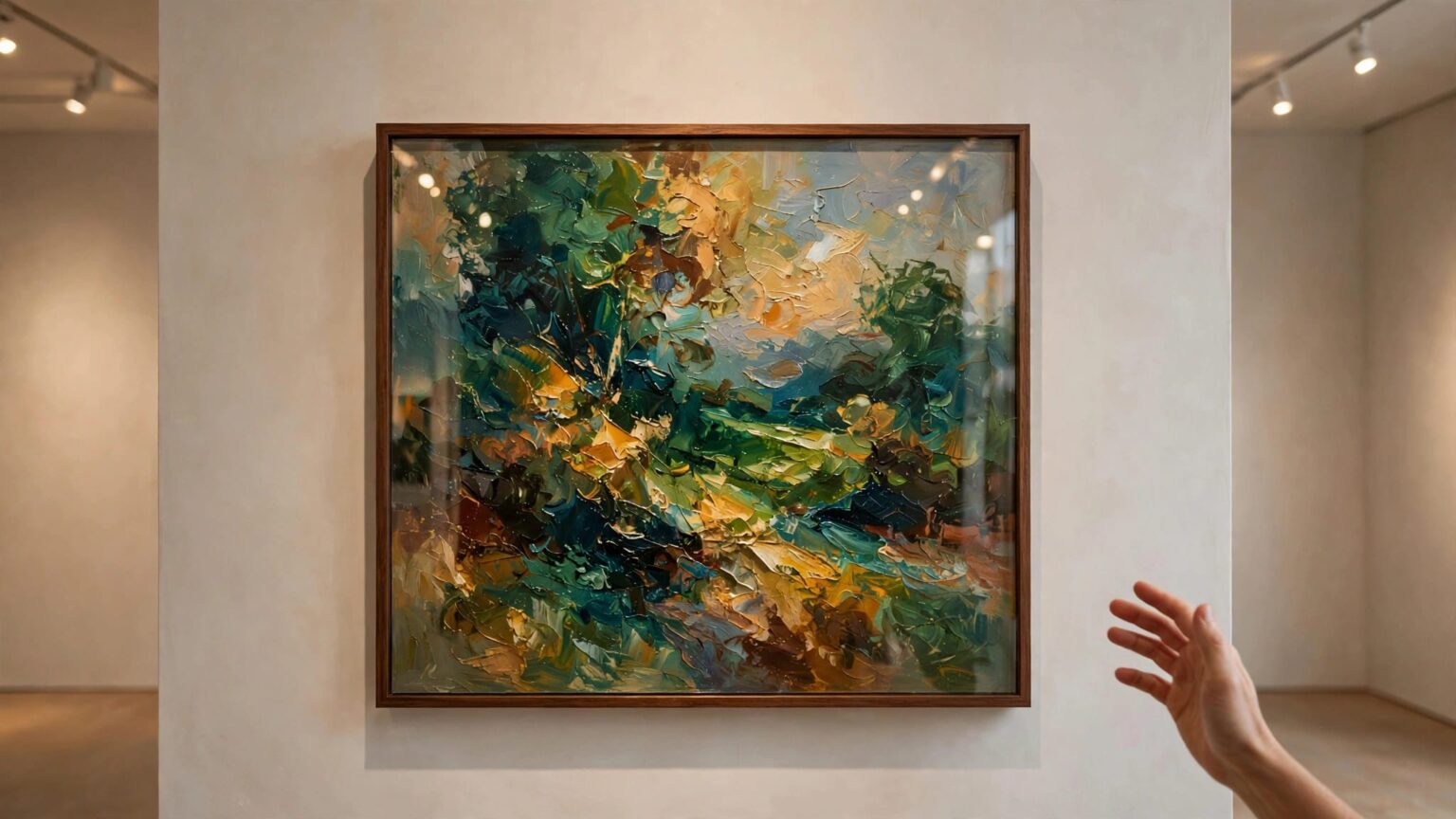
Visual Artists' VARA Rights Under 17 U.S.C. Section 106A
Selling a painting doesn’t necessarily give its buyer the right to destroy it. For qualifying visual art, VARA rights protect attribution and artistic integrity even after ownership changes.
However, federal protection covers a narrower group of works than many artists expect. Galleries, collectors, and property owners also need to distinguish copyright ownership from the artist’s personal rights.
Start with the work’s eligibility, then examine the conduct, agreements, and remedies that matter under federal law.
Table of Contents
ToggleKey Takeaways
- VARA protects attribution and integrity in narrowly defined visual artworks, independently of copyright ownership.
- Destruction claims require a work of “recognized stature.” Claims involving harmful modifications use a different legal test.
- Selling artwork doesn’t automatically waive VARA rights. Waivers require an express, signed writing identifying the work and covered uses.
- Building-integrated art has special removal rules. Artists and owners should address those rules before installation, renovation, or demolition.
Which Works Qualify for VARA Protection?
Originals and limited editions
The Visual Artists Rights Act of 1990 protects certain paintings, drawings, prints, and sculptures. They must exist as single copies or qualifying limited editions of 200 or fewer, subject to statutory signature and numbering requirements.
Photographs face an additional restriction: they must be produced for exhibition purposes only. A qualifying photograph must also satisfy the statute’s single-copy or signed, numbered limited-edition requirements.
The definition appears in 17 U.S.C. Section 101. An artist’s reputation, exhibition history, or sale price can’t cure a failure to meet it. Conversely, an unfamiliar artist’s eligible work can receive protection without commercial success.
Exclusions that change the analysis
VARA excludes works made for hire, applied art, advertising and promotional material, merchandising items, and various publications and audiovisual works. It also excludes works that lack copyright protection.
Therefore, an illustration can receive ordinary copyright protection while falling outside VARA. A commission isn’t automatically a work made for hire, either. Counsel must assess the actual relationship, statutory categories, and contract.
Keep copyright registration separate from this eligibility analysis. Chase Lawyers’ guidance on copyright registration for visual artists addresses protection against copying, which involves different rights and procedural requirements.
What VARA Rights Protect Under Section 106A
17 U.S.C. Section 106A gives eligible authors personal rights of attribution and integrity. The artist can hold these rights even when someone else owns the copyright or physical artwork.
Attribution and misuse of the artist’s name
An artist can claim authorship of a qualifying work and prevent use of their name on artwork they didn’t create.
The statute also allows an artist to prevent attribution after a distortion, mutilation, or other modification prejudicial to their honor or reputation. This can matter when a collector substantially changes a work but continues displaying the artist’s name.
However, VARA doesn’t create a general ownership right in an artist’s identity. Trademark and state publicity laws address other uses of names and likenesses.
Modification and destruction involve different tests
An artist can prevent intentional distortion, mutilation, or other modification that prejudices their honor or reputation. A destruction claim requires a work of recognized stature and intentional or grossly negligent destruction.
That distinction matters. An artist pursuing a modification claim doesn’t necessarily need to establish recognized stature. Meanwhile, dissatisfaction with an alteration doesn’t, by itself, prove reputational prejudice.
VARA also contains exceptions. Changes caused by time or inherent material characteristics aren’t covered modifications. Conservation and public presentation, including lighting and placement, receive protection from liability unless gross negligence causes the modification. Section 106A also remains subject to statutory fair use.
What the 5Pointz Decision Established
The leading modern example is Castillo v. G&M Realty L.P., involving aerosol artwork at 5Pointz in Queens, New York.
Property owner Gerald Wolkoff arranged for the works to be whitewashed before redevelopment. The litigation concerned authorized artwork, not a blanket entitlement for every unauthorized marking on private property.
In its 2020 Castillo decision, the Second Circuit affirmed a $6.75 million statutory-damages award. The award covered 45 works at $150,000 each.
The court also rejected the argument that temporary artwork necessarily falls outside VARA. Temporary aerosol works can achieve recognized stature and receive protection against destruction.
Still, temporary character alone doesn’t establish eligibility or recognized stature. Artists need evidence addressing the particular work. Expert testimony, curatorial selection, critical attention, and recognition within an artistic community can matter.
For property owners, the practical lesson is equally concrete: an expectation of future redevelopment doesn’t replace compliance with statutory removal procedures or a valid waiver. Owners should resolve those issues before commissioning or permitting artwork on buildings.
Waivers and Duration: What Contracts Can Change
A sale or copyright assignment isn’t a waiver
VARA rights can’t be transferred, but an artist can waive them. Section 106A requires an express written instrument signed by the author. It must identify the work and the uses to which the waiver applies.
A sale receipt or copyright assignment doesn’t automatically satisfy those requirements. Contract reviewers should distinguish ownership language, reproduction licenses, maintenance permissions, and express moral-rights waivers.
Artists should also examine whether a proposed waiver authorizes alteration, relocation, destruction, or particular redevelopment activities. Negotiate those choices before signing rather than relying on informal assurances.
For a joint work, one author’s valid waiver can waive the statutory rights of the other joint authors.
Most newer works receive lifetime protection
For qualifying works created on or after June 1, 1991, VARA rights generally last for the author’s lifetime. For joint works, they generally continue until the last surviving author’s death.
Earlier works follow different rules tied to whether title had been transferred before the effective date. Those works require a separate historical ownership review.
This duration differs from ordinary copyright, which generally continues beyond the author’s death. Therefore, an estate’s copyright ownership doesn’t automatically establish continuing VARA rights in newer works. Estate and collection planning should treat each category separately.
Murals and Building-Integrated Art Need Special Review
Section 113(d) addresses qualifying artwork incorporated into buildings. Its rules depend heavily on whether removal would destroy, distort, mutilate, or otherwise modify the work.
For artwork that can’t be removed without that harm, post-effective-date installations implicate a special written-agreement rule. The relevant instrument must bear both the artist’s and building owner’s signatures and acknowledge the potential harm from removal. Older installations require separate analysis.
For artwork removable without damage, the statute provides a notice-and-removal framework. One route involves written notice received by the artist, followed by 90 days during which the artist can remove the work or pay for removal.
A qualifying unsuccessful, diligent, good-faith attempt to notify the artist provides another statutory route. Owners should document their efforts and obtain advice before treating them as sufficient.
The 90-day procedure concerns qualifying artwork removable without damage. It isn’t a universal permission to demolish a building containing art.
Commission agreements should address the installation method, removal feasibility, conservation responsibilities, notice addresses, and removal costs. Keep contact information current because a missed notice can affect practical options.
Neither side should assume that ownership of the wall resolves ownership of the copyright or the artist’s VARA protections. These are separate questions.
Remedies and Practical Steps When Artwork Is Threatened
Preserve evidence before the work changes
Photograph the complete work, its installation, signatures, and condition. Preserve sketches, edition records, commissioning agreements, ownership documents, correspondence, and proposed renovation schedules.
For destruction claims, also collect evidence of recognized stature. The Harvard Law Review’s 5Pointz analysis discusses how curatorial selection and recognition within the artistic community supported protection.
Keep records about the specific work, not only the artist’s career. Chase Lawyers’ guidance on preserving copyright infringement evidence offers related documentation practices, although VARA requires its own legal analysis.
If destruction is imminent, counsel can evaluate an injunction. Damages after demolition can’t restore the original artwork.
Assess registration, damages, and legal strategy
A Section 106A claim doesn’t require copyright registration before filing. Registration timing also doesn’t bar statutory damages for a VARA violation as it can for ordinary copyright infringement.
Under 17 U.S.C. Section 504, statutory damages generally range between $750 and $30,000 per work. Willful violations can support awards up to $150,000 per work. Actual damages and discretionary attorney’s fees may also be relevant.
Those amounts aren’t automatic. Courts examine the violation, available evidence, and applicable legal standards.
Chase Lawyers can assess eligibility, review commissioning agreements and waivers, negotiate preservation or removal terms, and pursue appropriate remedies. For galleries and collectors, that review can also identify obligations before conservation, alteration, or resale creates a dispute.
Frequently Asked Questions About VARA Rights
Does buying artwork transfer the artist’s VARA rights?
No. Ownership of the physical object, copyright ownership, and VARA rights are separate. The artist’s personal rights aren’t transferable, although a compliant written waiver can limit them. Review the purchase agreement and any separate waiver rather than assuming the sale settled every right.
Does every mural qualify for protection?
No. A mural must satisfy the statutory definition of visual art and avoid applicable exclusions. Destruction claims also require recognized stature. The installation arrangement, authorization, building-removal rules, and waiver documents can affect the outcome. The 5Pointz decision doesn’t eliminate those requirements.
Does VARA govern unauthorized advertising uses?
Ordinary copyright law usually supplies the main analysis when someone reproduces artwork in advertising. VARA contains exceptions involving reproductions and specified commercial materials. A dispute may also involve contracts, trademarks, or publicity rights. Identify the right actually affected before selecting a claim or remedy.
Protect the Work Before Ownership Changes
VARA gives qualifying artists personal protections that can survive a sale, but eligibility and statutory exceptions control their reach. The strongest position combines clear agreements with evidence about the work and its significance.
Before signing a waiver or altering installed art, have Chase Lawyers assess the rights involved. A buyer’s ownership and an artist’s continuing protections can coexist, but both sides need to understand the boundaries.



- 21 SE 1st Ave, Suite 700, Miami, FL 33131
- 305-373-7665
- 305-373-7668
- info@chaselawyers.com
- 1345 Avenue of the Americas, 2nd Floor, New York, NY 10105
- 212-601-2762
- info@chaselawyers.com
Get a response within 24 hours. We’ll clearly explain how we can support and protect your brand while staying within your budget.