


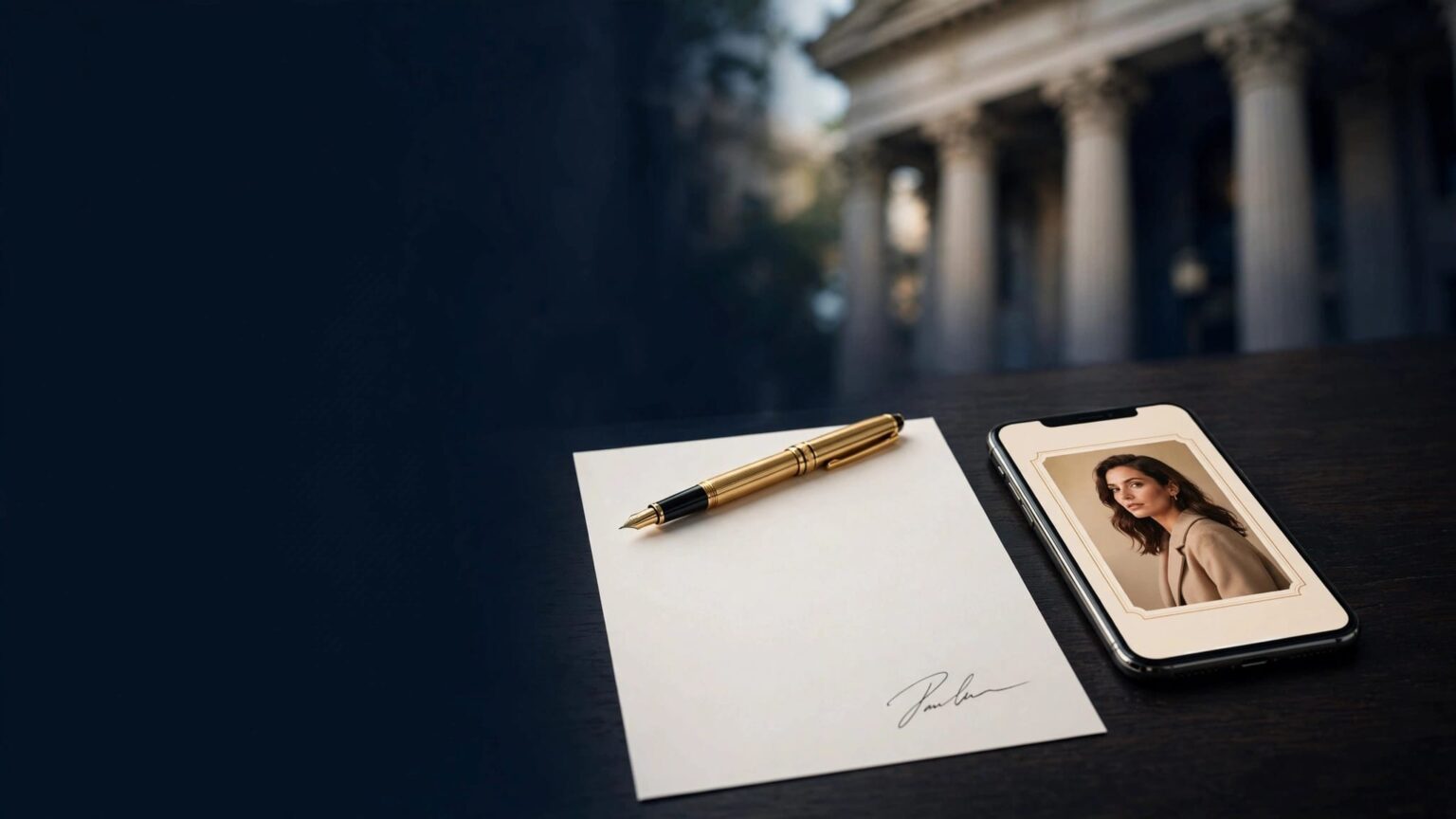
Florida Publicity Rights: Section 540.08 and Ads
Finding your face in an advertisement you never approved can threaten both your income and your reputation. Florida publicity rights give individuals a legal basis to challenge certain unauthorized commercial uses of their identity.
However, a successful claim requires more than showing that a business published your photograph. The purpose of the use, the consent given, and applicable exceptions all matter. Start by separating advertising that exploits your identity from protected editorial or expressive content.
Table of Contents
ToggleKey Takeaways
- Section 540.08 protects natural persons against certain unauthorized advertising uses of their name, portrait, photograph, or likeness.
- Florida courts distinguish direct product promotion from publications that merely generate revenue.
- Express consent can be oral or written, but written releases make the permitted uses easier to prove.
- Available remedies include injunctions and damages, including reasonable royalties; recovery depends on the facts and legal requirements.
- Preserve the advertisement and relevant agreements before requesting removal.
What Florida Publicity Rights Protect
Covered identities and commercial uses
Florida Statutes section 540.08 restricts unauthorized public use of a natural person’s name, portrait, photograph, or other likeness for trade, commercial, or advertising purposes.
The protection extends beyond celebrities. Models, athletes, influencers, employees, and private individuals can have protected interests in their identities. Fame can affect valuation, but it isn’t a prerequisite for protection.
For an advertising dispute, counsel examines what identifies the person and how the business used it. A recognizable photograph beside a sales message raises different questions than an unidentified person appearing in a street scene.
Express consent and licensing authority
The statute recognizes express written or oral consent. However, an advertiser must establish permission for the disputed use, rather than assume that participation in a photo shoot authorized every future campaign.
An authorized licensee can also provide consent, but that licensee’s authority to license commercial use must be in writing.
Posting a photograph publicly doesn’t, by itself, grant businesses permission to use your likeness in advertising. Likewise, permission for an organic social post may not cover paid advertising. The release’s language, surrounding communications, and approved campaign scope help determine whether consent reached the challenged use.
When an Advertisement Crosses the Legal Line
Direct promotion matters more than revenue
Florida courts interpret the statute more narrowly than its broad commercial wording might suggest. The central distinction is whether the identity directly promotes a product or service.
The Florida Bar’s analysis of appellate decisions explains this direct-promotion approach. A publisher’s profit motive doesn’t automatically turn every article or photograph into actionable advertising.
For businesses, the review should cover the complete presentation. Product placement, surrounding copy, branding, and purchase prompts can affect the analysis. Calling material a tribute or informational post won’t settle its legal character.
Court decisions distinguish promotion from expression
In Tyne v. Time Warner Entertainment Co., 901 So. 2d 802 (Fla. 2005), the Florida Supreme Court addressed identities portrayed in The Perfect Storm. Its interpretation of section 540.08 distinguished direct promotion from an expressive work sold for profit.
Similarly, the Eleventh Circuit rejected a section 540.08 claim in Anderson v. Coupons in the News, No. 20-13677 (Dec. 21, 2021), because the challenged material wasn’t advertising or commercial speech.
These decisions help define the claim’s limits. A person can object strongly to a portrayal without having a viable unauthorized-advertising claim under this statute.
Exceptions and First Amendment Defenses
Newsworthiness has conditions
Section 540.08 contains an exception for qualifying bona fide news reports or presentations involving a current and legitimate public interest. However, the exception doesn’t permit using the person’s identity for advertising.
Expressive works also receive constitutional protection, but the analysis depends on the use. In Zacchini v. Scripps-Howard Broadcasting Co., 433 U.S. 562 (1977), the U.S. Supreme Court allowed an Ohio publicity claim involving a broadcast of the performer’s entire human-cannonball act.
That ruling doesn’t create a blanket rule for films or news coverage. It shows why courts examine the claimed appropriation rather than automatically dismiss every dispute involving expressive content.
Public photographs and authorized resale
Another statutory exception concerns photographs showing someone solely as a member of the public. It applies when the person isn’t named or otherwise identified in connection with the photograph’s use.
The statute also recognizes certain resale or distribution following consent to the initial sale or distribution. That exception requires attention to the original authorization and subsequent transaction.
Businesses should evaluate these exceptions against the actual advertisement. A photograph taken in public doesn’t automatically qualify. Naming the person, singling them out, or presenting them as an endorser can change the analysis and weaken a defense based on incidental appearance.
Remedies for Unauthorized Commercial Use
Section 540.08 authorizes an injunction against unauthorized use and damages for resulting loss or injury. The statute expressly includes a reasonable royalty, along with punitive or exemplary damages when the applicable requirements are met.
A royalty claim concerns the value of the unauthorized use. Prior endorsement agreements, licensing history, campaign duration, audience reach, and comparable transactions can help support that valuation. Preserve records of canceled deals or other claimed losses, too.
Punitive damages aren’t automatic. Likewise, requesting an injunction doesn’t guarantee immediate removal; the claimant must satisfy the requirements for judicial relief.
The statute also contains a limited civil-penalty provision for unauthorized use involving armed-forces members. That penalty can reach $1,000 per violation when the provision applies. It isn’t a general statutory-damages award available in every publicity dispute.
Florida’s postmortem publicity protections extend to certain uses after death. Section 540.08 bars actions over public uses occurring more than 40 years after death. That cutoff is separate from the ordinary deadline for filing a claim.
Publicity, Copyright, and False Endorsement Are Different
Owning a photograph and controlling commercial use of the person pictured are separate legal interests. A business can obtain a photographer’s copyright license while still lacking permission to use the subject’s likeness in advertising.
Conversely, appearing in a photograph doesn’t automatically make you its copyright owner. A takedown request should identify the rights you hold rather than claim every available category of protection.
Misleading advertising may also raise federal false-endorsement issues under section 43(a) of the Lanham Act, 15 U.S.C. § 1125(a). That claim requires its own analysis, including likely confusion about affiliation, sponsorship, or approval.
For entertainers, unauthorized celebrity endorsements can also disrupt existing sponsorships. An apparent association with a competing brand may create business problems beyond the lost licensing fee.
What to Do When You Discover an Unauthorized Ad
Preserve evidence before contacting the advertiser. Online campaigns can change quickly, and removal may erase information needed to establish the original presentation.
- Save the complete advertisement, including captions, branding, landing pages, dates, and available advertiser information.
- Collect releases, licensing agreements, emails, and messages concerning permission or campaign approvals.
- Document the harm with licensing records, sponsor communications, lost opportunities, and evidence of continued use.
- Ask counsel to assess the responsible parties, applicable law, available defenses, and appropriate demands or court relief.
Screenshots alone may omit video, targeting information, or a changing landing page. Therefore, preserve the broader campaign where possible. Keep originals and avoid editing the evidence you plan to rely on.
A demand can seek removal, preservation of campaign records, confirmation that reuse has stopped, and compensation. Platform reporting may help stop distribution, but it doesn’t necessarily resolve damages or prevent another campaign.
Chase Lawyers provides name and likeness representation for these disputes. The firm can review permissions, assess publicity and false-endorsement theories, and pursue a response matched to the evidence and business harm.
How Businesses Can Reduce Advertising Risk
Clear identity rights before publishing the campaign. A stock-photo license, photographer agreement, or agency assurance may cover only part of the required permissions.
The release should define the authorized products, platforms, territories, and duration. It should also address paid amplification, edits, sublicensing, and any approval rights. If the brand wants merchandise rights, those rights should appear expressly in the agreement.
Chase Lawyers’ guidance on merchandise agreements and publicity rights addresses the importance of defining image rights separately from other intellectual property.
Keep the executed release with the campaign files. Then compare the final creative against the permission granted, especially when repurposing older content.
If a complaint arrives, preserve records and review the claim before responding. Removing disputed content can limit continued exposure, but deletion doesn’t establish that the earlier use was lawful. Counsel can help businesses assess defenses and negotiate a resolution without unnecessary admissions.
Frequently Asked Questions
Do I have to be famous to bring a claim?
Section 540.08 protects natural persons, including people without public profiles. However, the claimant still needs to establish a covered unauthorized use. Celebrity status may influence damages evidence, but it doesn’t replace the statutory requirements.
Does a public Instagram photo permit advertising use?
Public availability alone doesn’t establish express consent to an unrelated advertiser’s use. The relevant agreements, permissions, and presentation must be reviewed. A brand should also distinguish permission to repost content from permission to run a paid campaign.
Can an advertiser rely on verbal permission?
The statute recognizes express oral consent from the individual. However, disputes often concern what the person approved and whether the campaign exceeded that approval. Written authorization reduces uncertainty. A licensee’s authority to license commercial use must itself be in writing.
Can Chase Lawyers help both individuals and businesses?
Chase Lawyers can help individuals challenge unauthorized identity use and assist businesses with advertising clearance, licensing, and disputes. The appropriate strategy depends on the campaign, contractual record, potential defenses, and client’s commercial priorities.
Protect Your Identity With a Focused Legal Strategy
An unauthorized advertisement can damage your reputation while taking commercial value you never agreed to sell. A strong response starts with preserved evidence and a careful distinction between promotion, protected expression, and permitted use.
Chase Lawyers can assess the campaign and help pursue removal, compensation, or a negotiated resolution. For businesses, documented permissions and campaign-specific review reduce the risk before an advertisement goes live.
- 21 SE 1st Ave, Suite 700, Miami, FL 33131
- 305-373-7665
- 305-373-7668
- info@chaselawyers.com
- 1345 Avenue of the Americas, 2nd Floor, New York, NY 10105
- 212-601-2762
- info@chaselawyers.com
Get a response within 24 hours. We’ll clearly explain how we can support and protect your brand while staying within your budget.