


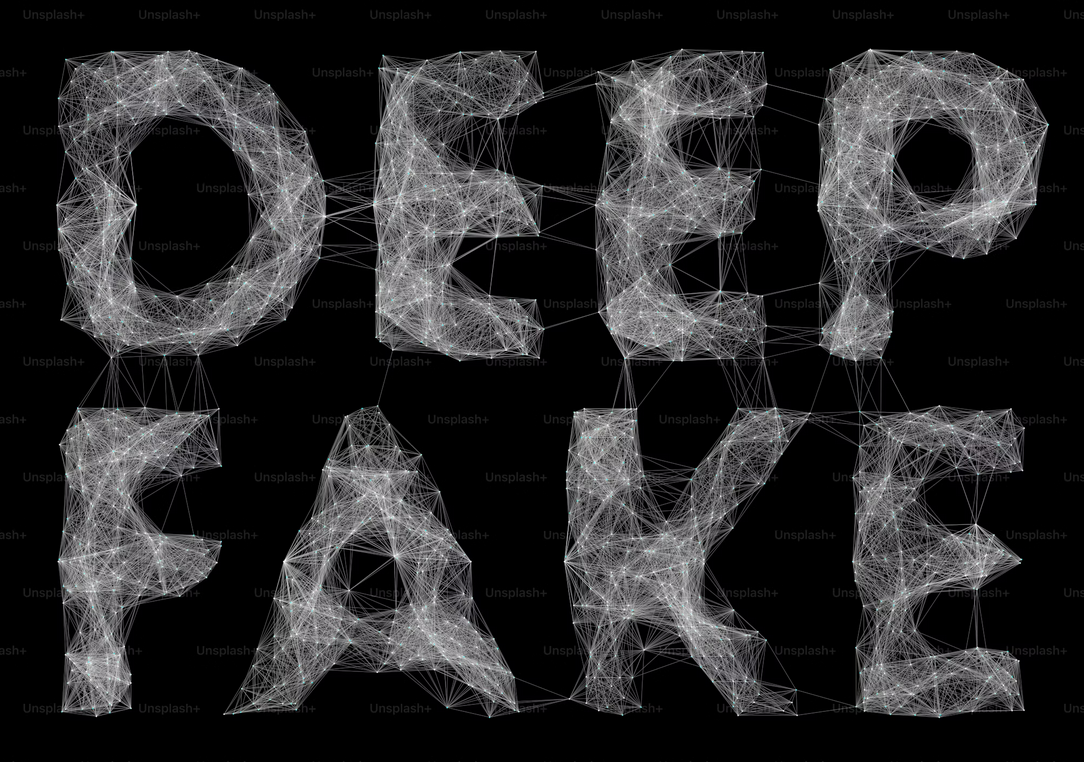
Deepfake Technology in Entertainment: Legal Risks and Protections
Deepfake technology is rapidly reshaping the entertainment industry, offering groundbreaking possibilities for filmmakers, content creators, and digital artists. By using artificial intelligence to generate hyper-realistic video and audio manipulations, deepfakes can de-age actors, resurrect historical figures, and create entirely digital doubles for use in films and advertisements. While these advancements open up new creative frontiers, they also introduce significant legal and ethical concerns.
As deepfakes become more sophisticated, they raise questions about consent, intellectual property rights, misinformation, and personal privacy. Who owns an AI-generated version of an actor? Can a public figure take legal action against the unauthorized use of their likeness? What legal protections exist against the misuse of deepfake technology? This article explores these issues, shedding light on the legal risks and protections surrounding deepfakes in entertainment.
Table of Contents
ToggleUnderstanding Deepfake Technology in Entertainment
Deepfakes refer to AI-generated media that manipulate a person’s appearance, voice, or actions in a highly realistic way. By leveraging deep learning and neural networks, these synthetic images and videos can convincingly replace one person’s face with another’s, clone voices, or create entirely fictional personas. Originally a niche research field, deepfake technology has now become widely accessible, leading to its adoption across various sectors, including entertainment.
How Deepfakes Are Used in Entertainment
Hollywood and digital media have embraced deepfake technology in various ways. De-aging actors has become a common practice, allowing seamless storytelling across different timelines. AI-driven voice synthesis enables actors to reprise roles posthumously or dub foreign-language films with near-perfect realism. Digital doubles are now replacing stunt performers in high-risk action sequences, reducing production costs and ensuring safety. While these applications enhance cinematic realism and expand creative possibilities, they also raise concerns over ownership and ethical use.
Ethical and Creative Implications
The fine line between innovation and ethical concerns continues to be debated. On one hand, deepfake technology allows for unprecedented storytelling capabilities, making the impossible visually possible. On the other, it raises issues regarding actor autonomy, authenticity in media, and the potential for abuse. Should actors have control over AI-generated versions of themselves? Will audiences struggle to distinguish reality from AI-generated fiction? These concerns highlight the need for both ethical considerations and regulatory oversight.
Key Legal Concerns with Deepfakes
One of the most pressing legal issues surrounding deepfakes is the unauthorized use of a person’s likeness. Public figures and celebrities are particularly vulnerable to AI-generated content used in films, advertisements, and digital media without their consent. Many U.S. states have Right of Publicity laws that grant individuals control over the commercial use of their image and voice, but enforcement remains inconsistent.
Defamation and Misinformation
Deepfakes can also be used maliciously to spread false narratives, damage reputations, or manipulate public opinion. When AI-generated media falsely portrays an individual engaging in illegal or unethical behavior, defamation lawsuits may follow. However, proving harm and intent remains a challenge in legal proceedings.
Intellectual Property and Copyright
Ownership of deepfake-generated content remains a gray area in intellectual property law. If a deepfake is used in a film, does the original performer hold any claim over it? Copyright laws protect traditional works, but they struggle to address AI-generated content featuring real individuals. Legal frameworks need to evolve to clarify rights and responsibilities regarding deepfake media.
Privacy and Consent Issues
Privacy violations are another concern, as individuals may find themselves digitally replicated without consent. While existing privacy laws require consent for the commercial use of someone’s image or voice, deepfake technology complicates this landscape by enabling unauthorized digital replication.
Current Legal Protections and Challenges
Several jurisdictions have begun addressing deepfake-related issues. The U.S. Deepfake Report Act mandates research into synthetic media’s impact on national security and public trust. Some states have introduced laws penalizing malicious deepfake creation, particularly when used for political misinformation or non-consensual adult content. The European Union’s Digital Services Act also seeks to regulate AI-generated media and improve accountability for online platforms hosting deepfakes.
Gaps in Legislation
Despite these efforts, current laws struggle to keep pace with technological advancements. Clear federal laws explicitly regulating deepfake production and distribution are still lacking. Cross-border challenges complicate enforcement, as AI-generated content can be created in one country and distributed globally. Intellectual property rights remain uncertain when deepfake media transforms existing copyrighted material.
Recent Legal Cases and Precedents
Legal cases involving deepfakes are shaping emerging standards. Some courts have ruled in favor of individuals whose likenesses were misused, while others have struggled to apply outdated copyright and privacy laws to AI-generated content. As deepfake technology advances, more legal precedents will be needed to clarify its implications.
Industry and Legal Strategies to Combat Deepfake Abuse
Entertainment professionals and content creators can protect themselves through explicit contractual provisions prohibiting unauthorized AI replication. Registering trademarks for their name, likeness, and voice can help prevent unauthorized commercial use. Licensing agreements can also ensure that AI-generated versions of performers remain under their control.
Technology-Based Solutions
Several technological solutions can help mitigate deepfake misuse. Watermarking and fingerprinting AI-generated content can differentiate synthetic media from real footage. Blockchain authentication offers a way to verify the origin of digital media. AI detection tools are being developed to flag manipulated content before it spreads, assisting both content creators and regulators in identifying deceptive media.
Legal Recourse for Victims
Individuals affected by deepfake misuse have several legal options. Right of Publicity lawsuits can be pursued against unauthorized commercial use of their likeness. Defamation claims may be an option if reputational harm can be proven. Seeking injunctions to remove manipulated content from online platforms is another possible remedy. The success of these legal actions, however, depends on the evolving legal landscape surrounding deepfake technology.
ChaseLawyers’ Services
ChaseLawyers specializes in entertainment and intellectual property law, providing legal representation for deepfake victims and ensuring individuals maintain control over their likeness. Their expertise includes contract drafting and negotiation to safeguard an artist’s image rights, litigation support in deepfake-related disputes, and advising businesses on AI and digital media compliance. Whether protecting celebrity likenesses or assisting creators with IP protection, ChaseLawyers offers strategic legal solutions tailored to deepfake-related challenges.
Conclusion
Deepfake technology is revolutionizing entertainment, but it also introduces significant legal risks. Unauthorized use of AI-generated likenesses can lead to disputes over publicity rights, defamation, copyright, and privacy. As legislation struggles to keep up with rapid advancements, legal awareness and proactive protection strategies are more critical than ever.
For entertainment professionals and businesses navigating the complex legal landscape of deepfake technology, ChaseLawyers provides expert guidance in deepfake-related cases, IP protection, and litigation support.
Need legal assistance? Contact us today! Use our contact form, book a consultation, call us at 305 373-7665, or email us at info@chaselawyers.com. Let our team guide you through the process with confidence.
Disclaimer:
The information provided in this article is for general informational purposes only and does not constitute legal advice. Every scenario is unique, and legal requirements may vary.
- 21 SE First Avenue Suite 700 Miami, FL 33131
- 305-373-7665
- 305-373-7668
- info@chaselawyers.com
- 1345 Avenue of the Americas, 2nd floor, NY, NY 10105
- 212-601-2762
- info@chaselawyers.com
Get a response within 24 hours. We’ll clearly explain how we can support and protect your brand while staying within your budget.