


Supreme Court IP Rulings: Cox and Vidal Explained
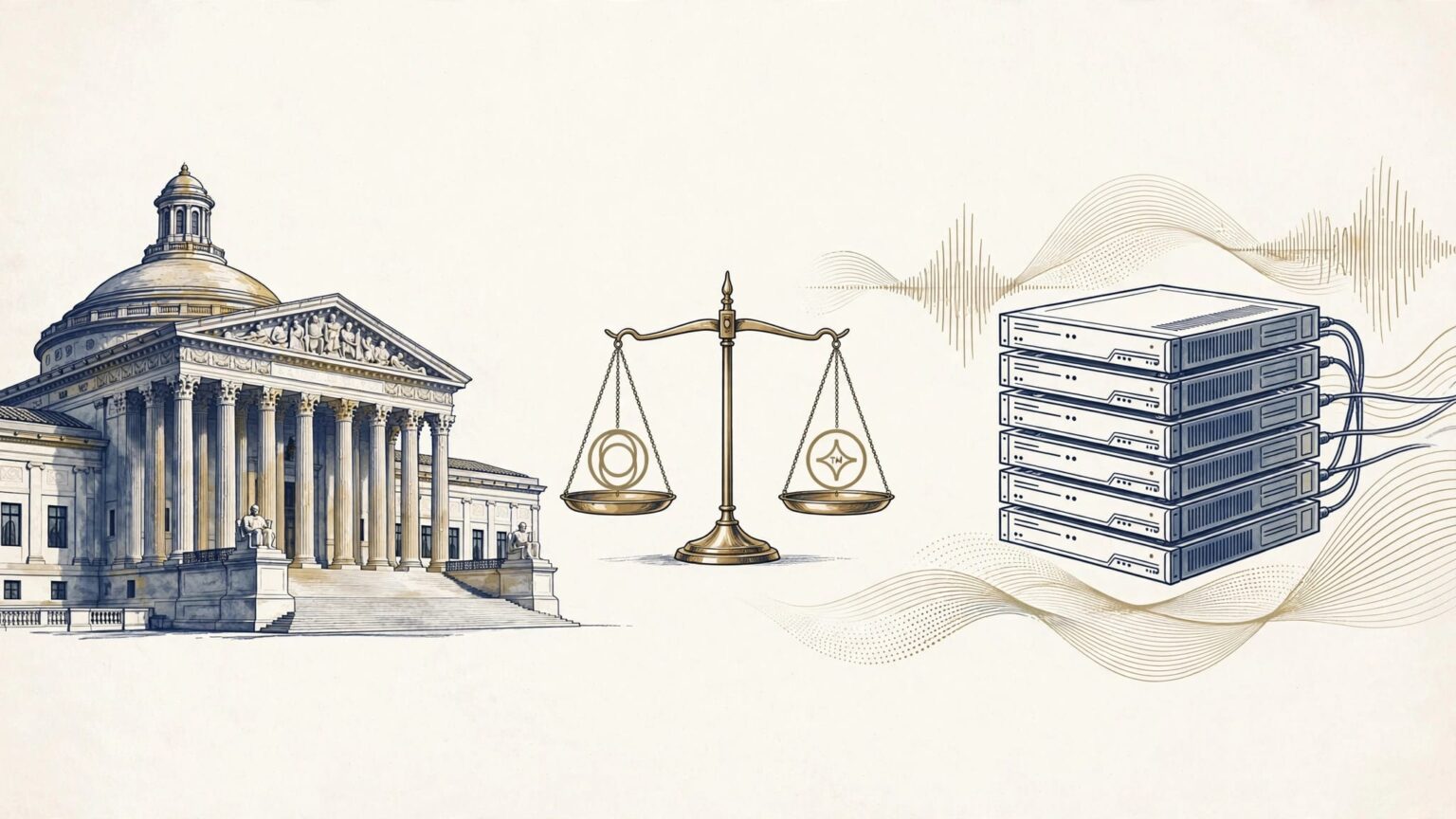
Two Supreme Court IP rulings clarify different limits on legal protection: when a service provider faces contributory copyright liability, and when a trademark applicant needs a living person’s consent. Cox Communications v. Sony Music Entertainment addresses infringement liability; Vidal v. Elster addresses federal trademark registration.
For creators and entertainment businesses, the practical lesson is to identify the legal right at issue before choosing a response. A copyright claim, a licensing dispute, and a trademark refusal each require different evidence.
Start with what each decision resolved, then apply those boundaries to your work and agreements.
Table of Contents
ToggleKey Takeaways
- In Cox, decided March 25, 2026, the Supreme Court held that knowledge of users’ infringement was insufficient to establish contributory liability for a general-purpose service.
- In Vidal, decided June 13, 2024, the Court upheld the Lanham Act’s restriction on registering marks identifying a living person without written consent.
- Neither decision replaces the need to establish ownership, define permissions, or identify the correct legal claim.
- Copyright registration and trademark registration follow different rules. An obstacle under one system doesn’t automatically determine your rights under the other.
Cox v. Sony: Intent Drives Contributory Liability
What the Supreme Court decided
In Cox Communications, Inc. v. Sony Music Entertainment, Inc., No. 24-171, the Supreme Court addressed when an internet service provider can face contributory copyright liability for subscribers’ infringement.
The Court held that liability requires intent for the service to be used for infringement. That intent can appear through inducing infringement or providing a service tailored to infringement.
Cox did neither, according to the Court. Providing a general-purpose service while knowing that some subscribers infringe was insufficient. The Court therefore reversed the Fourth Circuit’s judgment and remanded the case.
That distinction matters because knowledge and intent are different legal questions. Evidence that identifies unauthorized activity doesn’t necessarily establish that a provider encouraged it.
What the decision leaves unresolved
The ruling concerns contributory liability. It doesn’t create a universal defense against every copyright claim involving a service provider.
Vicarious liability is a separate theory, generally involving the right and ability to supervise infringing conduct and a direct financial interest in it. The Court’s contributory-liability holding shouldn’t be treated as resolving that separate analysis.
The decision also doesn’t authorize subscribers to copy protected music without permission. A claim against the person who infringed remains distinct from a claim against the company supplying internet access.
For a rights holder, the first task is therefore identifying whose conduct supports which claim.
Copyright Claims Need Evidence of the Right Conduct
Separate direct infringement from secondary liability
Copyright owners hold several exclusive rights under Title 17 of U.S. law, including rights concerning reproduction, distribution, and certain public performances. Those rights remain subject to statutory limitations and exceptions.
A direct infringement analysis examines the allegedly unauthorized exercise of those rights. A contributory-liability analysis asks a different question: whether another party bears responsibility for facilitating infringement under the applicable legal standard.
After Cox, a claim against a general-purpose service needs evidence addressing the Court’s intent requirement. Infringement notices alone cannot substitute for that showing.
Preserving correspondence, licensing records, and evidence of the challenged conduct helps distinguish these issues.
Account for licenses and statutory exceptions
Before asserting infringement, establish what the owner controls and whether permission covers the challenged use. A license may authorize a particular platform or format while excluding another.
Fair use also requires a separate analysis under Section 107. Courts consider the use’s purpose, the work’s nature, the amount taken, and the effect on the potential market.
Our explanation of fair use in copyright law addresses that framework. A secondary-liability ruling doesn’t decide whether a particular excerpt, recording, or image qualifies as fair use.
A claim against a service provider requires evidence about the provider’s conduct, not merely evidence that someone used its service to infringe.
Vidal v. Elster: Written Consent for Names in Trademarks
Why TRUMP TOO SMALL faced refusal
In Vidal v. Elster, 602 U.S. 286 (2024), the Supreme Court considered a First Amendment challenge involving the proposed trademark TRUMP TOO SMALL.
The applicant sought federal registration without Donald Trump’s consent. The dispute concerned the Lanham Act’s names clause, 15 U.S.C. § 1052(c).
That provision restricts registration of a mark identifying a particular living individual without that person’s written consent. The Court held that the restriction doesn’t violate the First Amendment.
For entertainment businesses, the distinction between creating a message and obtaining federal trademark registration matters. A proposed brand can communicate criticism while still encountering a statutory registration barrier.
Written consent therefore deserves attention when a proposed mark identifies a living performer, athlete, creator, or other individual.
The holding has a defined scope
The Court upheld the names clause. It didn’t establish a comprehensive constitutional test for every content-based, viewpoint-neutral trademark restriction.
The decision also shouldn’t be read as resolving all disputes involving a person’s identity. Trademark registration, misleading endorsements, and state-law publicity rights raise different questions.
For example, a registration refusal doesn’t by itself decide whether a particular commercial use violates publicity rights. Likewise, obtaining consent for one purpose doesn’t automatically establish permission for every other use.
The practical approach is to define the proposed use first. Then determine which permissions and legal standards apply to the name, branding, and related promotional material.
Copyright and Trademark Protect Different Interests
Confusion between copyright and trademark can lead a business to pursue the wrong protection. Copyright concerns original expression; trademark law concerns identifiers of commercial source.
These distinctions help explain why Cox and Vidal address separate legal problems.
| Issue | Copyright | Trademark |
|---|---|---|
| Typical subject | Songs, recordings, films, photographs, and scripts | Brand names, logos, and other source identifiers |
| Central question | Who controls protected expression and its use? | Does a designation identify the source of goods or services? |
| Relevant decision | Cox, addressing contributory infringement | Vidal, addressing a registration restriction |
| Practical document | Ownership agreement or copyright license | Brand agreement or required written consent |
A project can involve both systems. A film’s footage may receive copyright protection, while its production company’s name may function as a trademark.
The U.S. Copyright Office explains that copyright protects original works once an author fixes them in a tangible medium. However, copyright doesn’t protect ideas, names, or short phrases as such.
Neither ownership of a photograph nor permission to reproduce it automatically supplies every permission needed to use the depicted person’s identity in advertising. Each right needs its own analysis.
Registration and Licensing Deserve Separate Attention
Register copyright with enforcement in mind
Copyright protection generally begins with fixation, but registration affects enforcement. Under 17 U.S.C. § 411(a), registration is generally a prerequisite to an infringement lawsuit involving a U.S. work, subject to statutory exceptions.
Timing also matters under Section 412. Registration timing can affect eligibility for statutory damages and attorney’s fees. Ownership alone doesn’t guarantee access to those remedies.
The Copyright Office registration portal provides the official route for submitting an application. The application should accurately identify the work, authorship, claimant, and any relevant exclusions.
For collaborative projects, resolve ownership before filing. A registration cannot repair a missing assignment or expand rights beyond those the claimant actually owns.
Define permission at the level of the planned use
Licenses should describe the rights granted, permitted uses, duration, and territory. They should also address whether another party can transfer or sublicense those rights.
Music illustrates why precision matters. A composition and its sound recording involve distinct copyrights. Permission involving one doesn’t automatically clear the other.
Our guidance on podcast music licensing requirements explains how those distinctions affect episode production and distribution.
The same discipline applies to identity-related agreements. Consent to register a name as a trademark should address that registration purpose; a broader commercial arrangement may require additional terms.
Clear documents reduce uncertainty about what a party authorized. Neither Supreme Court decision supplies permission that an agreement never granted.
How We Help Creators Address These Issues
At ChaseLawyers®, we help creators and entertainment businesses address copyright, trademark, licensing, and related intellectual-property matters. We connect the legal issue to the work, agreement, or proposed commercial use.
For copyright matters, that means examining ownership and the scope of permissions before selecting an enforcement strategy. For a proposed trademark involving someone’s identity, it means addressing consent and registration requirements within the broader business arrangement.
Our intellectual-property representation also helps clients distinguish rights they own from rights they still need to obtain. That distinction matters when a project combines music, footage, branding, and a performer’s identity.
We offer a free case consultation for clients seeking guidance on these issues. A focused review can identify which claim, registration, or agreement needs attention before a dispute becomes harder to resolve.
Frequently Asked Questions
Does Cox protect everyone who operates an online service?
No. The decision addresses contributory copyright liability and the intent required under that theory. A provider’s conduct still matters, including whether it induces infringement or supplies a service tailored to infringement. Other claims require their own legal analysis.
Can a critical message qualify for trademark registration without consent?
Criticism doesn’t automatically overcome the names clause. Under Vidal, the First Amendment doesn’t invalidate the statutory restriction on registering a mark that identifies a particular living person without written consent. Other registration requirements also remain relevant.
Does copyright registration establish ownership conclusively?
Registration doesn’t cure a defective ownership transfer or grant rights the applicant never acquired. It is important for enforcement, but ownership still depends on authorship and applicable agreements. For U.S. works, registration is generally required before filing an infringement action, subject to statutory exceptions.
Does credit replace a copyright license?
Attribution doesn’t itself authorize copying. Permission, a statutory exception, or another valid legal basis must support the use. A credit requirement may also be one condition of a license rather than a substitute for obtaining that license.
Match the Legal Strategy to the Right at Issue
Cox and Vidal answer different questions about copyright responsibility and trademark registration. Their usefulness depends on applying each holding within its actual scope.
For your project, the strongest starting point is clear ownership and documented permission. Identify the protected work or proposed mark, then address the conduct, consent, and agreements that govern its use.

- 21 SE 1st Ave, Suite 700, Miami, FL 33131
- 305-373-7665
- 305-373-7668
- info@chaselawyers.com
- 1345 Avenue of the Americas, 2nd Floor, New York, NY 10105
- 212-601-2762
- info@chaselawyers.com
Get a response within 24 hours. We’ll clearly explain how we can support and protect your brand while staying within your budget.