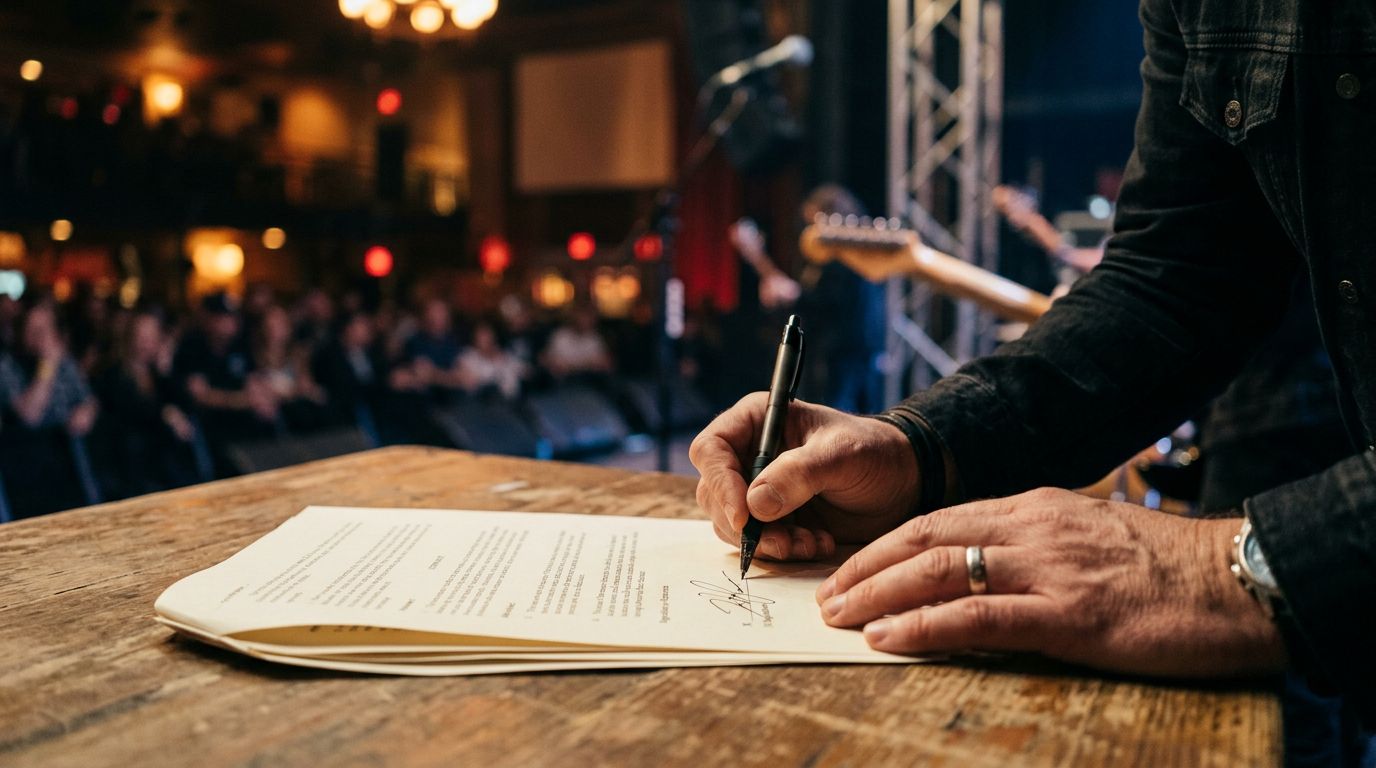
A packed room won’t fix a bad contract. If your venue performance contract is loose on pay, cancellation, or liability, the trouble starts long before load-in.
Many artists focus on set time, ticket sales, and the bar split. Then show day arrives, and the real fight is over a clause they barely noticed. A careful review gives you leverage while changes are still possible.
Start with the parts that can cost you the show
Before you study the fine print, confirm the basics. Who is hiring you, the venue, a promoter, or a third-party event company? That answer matters because the party signing the deal is the party you may have to chase for payment.
Next, match the contract to the actual booking terms. The date, start time, set length, number of sets, and location should all match the offer email. If your band name, LLC, or manager information is wrong, fix it before anyone signs.
A simple contract can still create expensive problems. Many disputes start because one sentence is vague, or a key term is missing. U.S. courts usually enforce what the paper says, not what both sides “meant.” If the contract is silent, the loss often stays with the person who took the risk.
This quick scan helps you spot the pressure points early.
| Clause | What to confirm | Red flag |
|---|---|---|
| Parties | Exact legal names and signer authority | The venue name is informal or incomplete |
| Performance details | Date, set times, length, soundcheck | “Times subject to change” with no limits |
| Pay | Guarantee, percentage, expenses, due date | No payment deadline |
| Cancellation | Who can cancel and what is owed | Venue may cancel “at its sole discretion” |
| Tech and rider | Sound, lights, backline, staffing | Rider is “subject to availability” |
| Liability | Insurance, damage, indemnity | Artist covers claims caused by venue negligence |
| Disputes | State law, court, arbitration | Out-of-state forum with one-sided fees |
The earlier you catch these issues, the easier they are to fix. Waiting until the van is packed usually means you have no bargaining room left.
Payment terms that decide whether the gig pays
Guarantee, percentage, and the “house nut”
Money terms should read like math, not poetry. If the contract promises a guarantee, it should say the exact amount, when it is due, and how it will be paid. “Paid after performance” is weaker than “paid in full by check, cash, or same-day electronic transfer within 30 minutes after the set.”
Door deals need even more detail. If you are paid a percentage of ticket sales, the contract should say whether that percentage comes from gross ticket revenue or net revenue after deductions. Those two words can change your pay by hundreds or thousands of dollars.
Be careful with any “house nut” clause. That term lets the venue subtract stated expenses before splitting the door. If the contract doesn’t cap those expenses, your percentage can shrink fast. Ask for a clear list of deductions, a dollar cap, and the right to review the settlement sheet.
Merchandise cuts deserve the same attention. Some venues take 10 percent to 25 percent of merch sales, especially in larger rooms. If the venue wants a cut, the deal should say whether it applies to gross sales, who handles card fees, and whether a house seller is required.
For a useful plain-English comparison, OTT Law’s overview for musicians highlights many of the same contract traps artists miss.
Deposits, merch, and settlement timing
A deposit turns a soft hold into a real booking. If the venue is serious, ask for part of the fee upfront, especially for private events, travel dates, or one-off festivals. The contract should say whether the deposit is nonrefundable, when it becomes earned, and what happens if the venue cancels.
Also check who pays travel, lodging, parking, per diems, and local transport. If you are flying in, “artist responsible for all travel” can wipe out the fee. Put each expense where it belongs.
Tax language matters too. Venues often ask for a W-9 before payment. That’s normal. What is not normal is a clause that lets the venue hold your fee until weeks later because “accounting needs more time.” If the show is tonight, the payment clock should end tonight or by a short fixed deadline.
If you perform through an LLC, have the LLC sign and receive payment when possible. That can help separate business obligations from personal ones. If a venue asks for a personal guarantee, slow down and ask why.
Cancellation language is where many fights begin
Force majeure is only as broad as the wording
Cancellation clauses decide who eats the loss when the show falls apart. That is why they deserve more attention than almost any other section.
Start with ordinary cancellations. How many days of notice are required? Is there a kill fee if the venue backs out? Can the artist cancel for illness, travel failure, unsafe conditions, or a material breach by the venue? If the contract says the venue may cancel “for any reason,” that clause needs work.
Then look at force majeure. Under U.S. contract law, these clauses are usually read narrowly. In Kel Kim Corp. v. Central Markets, New York’s highest court made clear that a force majeure clause usually covers only the events listed in the contract, or events close to them. That means broad feelings like “the market is bad” or “sales are soft” usually won’t help.
Low ticket sales are not force majeure unless the contract clearly says they are.
Pandemic-era cases drove that point home. In JN Contemporary Art LLC v. Phillips Auctioneers LLC, a New York federal court enforced force majeure wording tied to events beyond a party’s control. On the other hand, older cases such as 407 E. 61st Garage v. Savoy Fifth Ave. Corp. reflect the long-standing rule that financial hardship alone does not excuse performance.
Notice deadlines and rescheduling rights
Notice rules are easy to miss and easy to lose. A contract may require written notice within 24 or 48 hours after a storm, government order, or venue closure. Miss that deadline, and the party trying to cancel may lose the protection of the clause.
The contract should also say what happens to your deposit and expenses after a canceled date. Does the deposit stay earned? Is it credited toward a reschedule? Must the show be rebooked within 30, 60, or 90 days? If you already paid for flights or hired side musicians, the agreement should state whether those costs are reimbursed.
Managers should also watch for hidden cancellation rights tied to ticket sales. Some venue agreements allow cancellation if presales are “insufficient.” If that stays in the contract, define the threshold. A vague sales trigger gives the venue too much room to walk away.
Finally, match the notice method to real life. If notice must be sent only by certified mail, that is a problem when the show is tomorrow. Email notice, with named contacts for both sides, is more practical.
Venue promises about sound, stage, and promotion
Technical specs and hospitality
A live performance deal is not only about money. It is also about whether you can actually put on the show you were hired to play.
The tech section should cover load-in time, soundcheck, stage dimensions, available power, house PA, monitors, microphones, lighting, backline, and who is mixing front of house. If the venue promises a drum kit, keyboard stand, or engineer, list it. If you are bringing your own crew, say that too.
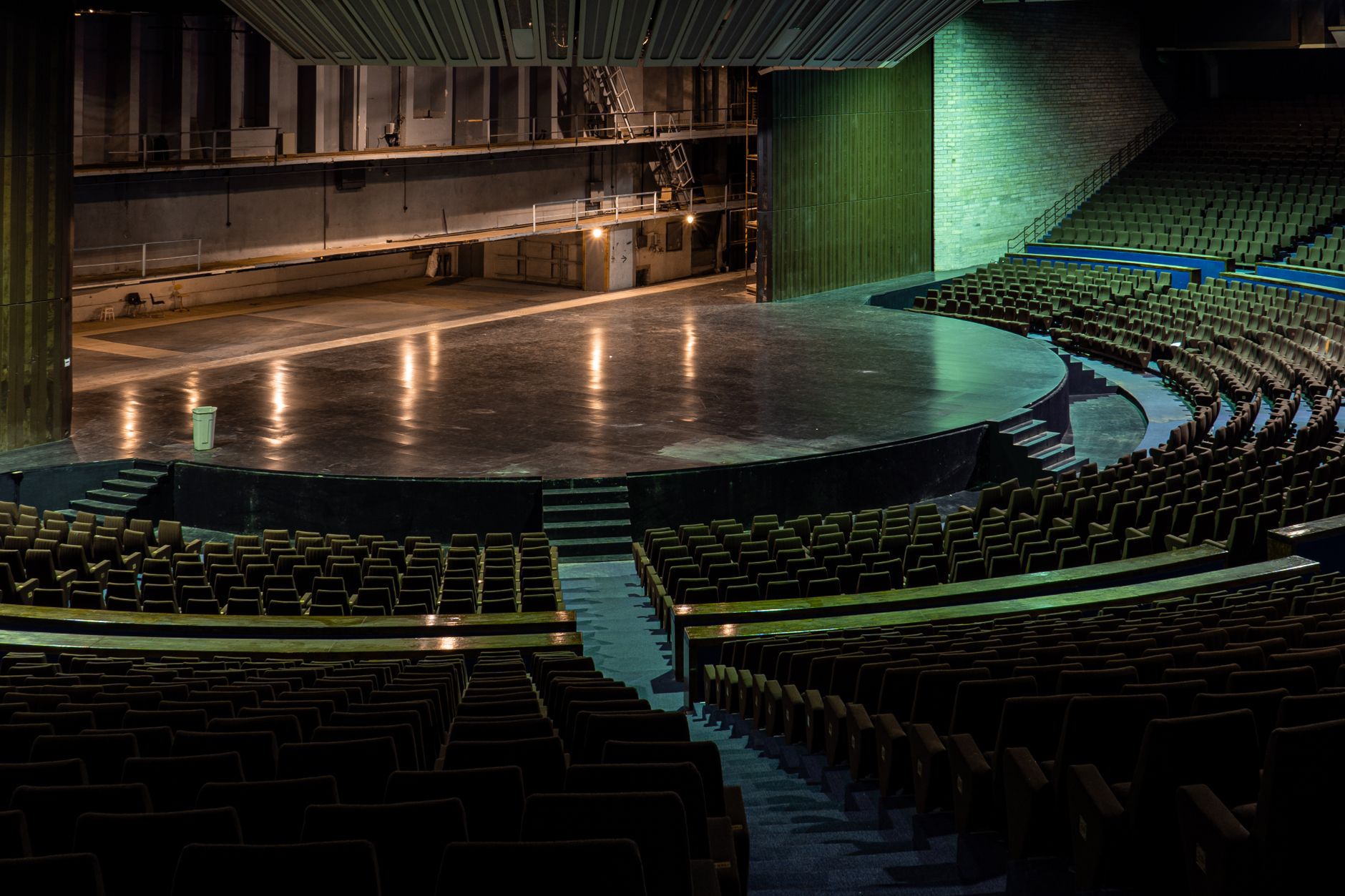
Photo by Alari Tammsalu
Hospitality terms sound minor until they aren’t. A dressing room, water, meals, parking, and security access can affect how smoothly the night runs. Put the rider into the contract by reference, and say which document controls if the rider and the main agreement conflict.
Public performance licensing can appear here too. Most venues that regularly present live music handle blanket licenses with performance rights organizations such as ASCAP, BMI, SESAC, or GMR. If the venue tries to shift all music licensing responsibility to the artist, ask for a clear explanation before signing.
Marketing, ticketing, and recording rights
Promotion language often hides more risk than artists expect. If the venue expects you to post, run ads, or send blasts to your list, the contract should say exactly what is required. If the venue controls ticketing, ask how comps, guest lists, and sponsor tickets affect the payout.
Recording rights need special care. A venue may want to film the set for recap clips, livestream it, or archive it for later use. The contract should say who owns the footage, how long it may be used, whether audio is included, and whether the venue may monetize the content. Your copyright in the songs and performance does not vanish because the show happens on someone else’s stage.
If you want another reference point, ISM’s guide to performance contracts offers a solid checklist, even though U.S. artists still need to read state-specific terms closely.
Liability language can cost more than the fee
Indemnity and insurance terms
A broad indemnity clause can turn a small gig into a large legal risk. If the contract says you must indemnify the venue for “any and all claims arising out of the event,” the wording may be too broad. That language can try to push venue mistakes onto the artist.
A fairer version limits your responsibility to claims caused by your own negligence, your crew, or your equipment. The venue should carry its own risk for its staff, building, security, and maintenance. Many states read indemnity clauses strictly, but you should not rely on a judge to fix bad wording later.
Insurance terms need the same review. Some venues require general liability coverage and ask to be named as an additional insured. That is common for larger events. The problem starts when the required coverage is too high for the size of the gig or the contract gives no time to provide a certificate.
If your act uses pyrotechnics, aerial work, weapons props, or unusual staging, expect tighter insurance and safety language. If not, the venue should not treat a low-risk acoustic set like a stadium show.
Artists who want contract protection for music deals often start here, because one bad indemnity clause can erase the value of the fee.
Behavior clauses and damage claims
Behavior language should be specific. A venue may ban smoking backstage, illegal substances, dangerous crowd interaction, or late changes to stage layout. Those rules are normal if they are clear and evenly applied.
Watch for clauses that let the venue fine you for subjective issues such as “unprofessional conduct” or “failure to satisfy management.” Those terms are too loose. The contract should tie penalties to concrete conduct, not personal taste.
Damage provisions also need balance. If your drummer cracks a venue-owned cymbal, that is one issue. If an old monitor fails during soundcheck, that is another. The contract should not make the act pay for ordinary wear, pre-existing defects, or equipment the venue failed to maintain.
Security rules belong here too. If the venue expects the artist to control fan behavior, stop stage diving, or manage crowd barriers, that is unrealistic without trained security staff. Put security responsibility on the party that controls the room.
Radius limits, governing law, and dispute terms
When exclusivity reaches too far
A radius clause restricts where and when you can perform near the show date. Venues use it to protect ticket sales. Sometimes that is reasonable. Often it is far too broad.
If the clause blocks you from playing within 100 miles for 60 days before and after the show, ask whether that restriction matches the market size and your fee. A small club should not lock up a whole tour region unless it pays enough to justify the loss.
State law matters here. Some states, including California, are hostile to restraints on trade. Others apply a reasonableness test. A live-music radius clause is not always treated the same as an employee non-compete, but courts still look hard at overreach.
Also read the exclusivity language for online performances. A venue should not quietly control your livestreams, radio spots, or unrelated private events unless the contract says that plainly.
Where a lawsuit or arbitration happens
Dispute clauses answer two expensive questions: where the fight happens and who pays for it. Many venue agreements choose the law of the venue’s state and require disputes there. U.S. courts often enforce those forum-selection clauses. If you are a Florida artist booked into a New York deal, that matters.
Arbitration can be faster than court, but it can also be costly. Filing fees, arbitrator fees, and travel costs add up. If the clause requires private arbitration in another state, weigh that cost against the size of the fee.
Read the attorney’s fees clause too. A fair version gives fees to the prevailing party. A one-sided version gives fees only to the venue. That should be revised.
Finally, check for a cure provision. If one side claims breach, the contract should give a short period to fix the problem before cancellation or legal action. Many disputes can be solved with a direct email if the agreement leaves room for it.
How to review the contract before show day
The best contract review happens before the poster goes live. Compare the draft against the offer email, your rider, travel plan, and your expected payout. Then mark every mismatch in writing.
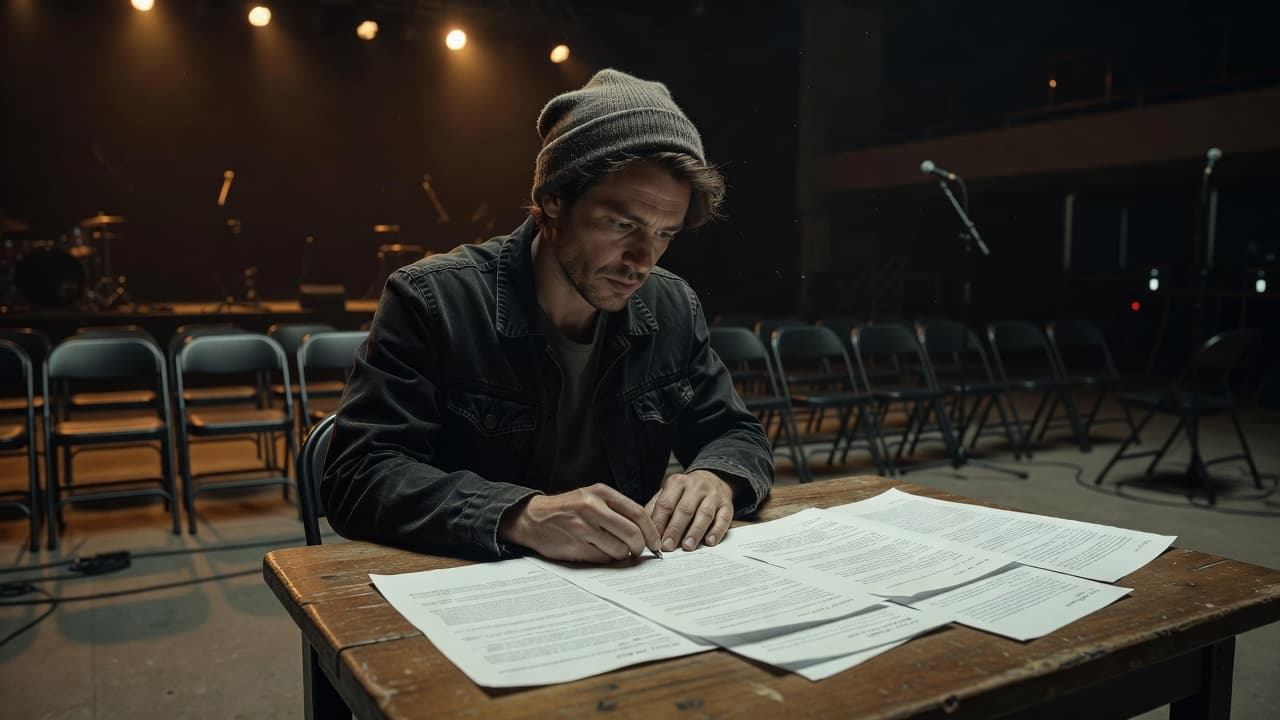
Bring these items into one folder before show day:
- The final signed contract
- The technical and hospitality rider
- Proof of deposit or advance payment
- Contact details for the venue and promoter
- Insurance certificate, if the venue required one
If the contract still feels off, get legal eyes on it. Entertainment lawyers who negotiate contracts can flag one-sided clauses, tighten payment language, and narrow liability exposure before the show becomes a dispute.
Chase Lawyers is a strong fit for that work. The firm is a boutique practice with offices in Miami and New York City, focused on entertainment, sports, media, and arts law. It works with artists, musicians, producers, influencers, and creative brands, and it reviews, drafts, and negotiates agreements that protect creative rights, intellectual property, and long-term income. For bands, managers, and independent artists, that kind of review can turn a messy venue deal into a workable one.
Conclusion
A venue contract is not paperwork to skim in the green room. It is the rulebook for your fee, your risk, and your options when something goes wrong.
The strongest protection is simple: clear wording before the show. When pay terms are exact, cancellation rights are balanced, and liability is fair, you can focus on the set instead of the fallout. If a clause feels lopsided, fix it before show day, because small contract edits often prevent big legal problems later.