



A great cast attachment can’t rescue a weak rights deal. If your shopping paper is loose, every “yes” from an actor, director, or financier can open a new fight over control, credit, and money.
Before you send the deck to reps, producers should lock down the shopping agreement terms that govern who can pitch the project, for how long, and what the producer earns if the package lands. That work is less glamorous than attaching talent, but it’s what keeps the package from falling apart later.
Key Takeaways
- A shopping agreement usually gives a producer the right to pitch a project, not the right to buy or own the underlying copyright.
- Keep the term short, define the exact rights being shopped, and tie any extension to a real event.
- Nail down producer credit, attachment rights, fee triggers, and backend before talent enters the picture.
- Add no-circumvention language so the owner can’t bypass the producer after introductions are made.
- Use entertainment counsel early, because chain of title and attachment language are easier to fix before the package is in motion.
Start with the real purpose of the shopping deal
A shopping agreement is often confused with an option, but the difference matters. In US film and television practice, a shopping deal usually authorizes the producer to pitch and package the property. It does not usually give the producer an exclusive right to purchase the rights. Latham’s overview of option and shopping agreements for film and TV and Filmmaker Magazine’s analysis of shopping agreements both frame it that way.
That distinction becomes important the minute talent asks, “What rights do you control?” If the answer is fuzzy, the package has a weak foundation. A producer can spend months building momentum, then discover the agreement never addressed film versus TV rights, limited-series rights, sequel rights, remake rights, or foreign-language adaptations.
Most shopping deals are short. Current market guidance often puts them in the six to 12 month range. That shorter runway can work well for an independent producer, because it limits front-end spend. Still, short-term flexibility only helps when the document clearly states what the producer may shop, which media are covered, and which rights stay with the owner.
Some deals use the label “producer attachment agreement.” The label doesn’t fix bad drafting. What matters is whether the contract defines the producer’s authority before talent is approached. If the agreement leaves that question open, the producer may look attached in the market but remain exposed on paper.
Negotiate the term, exclusivity, and extension triggers early
The first numbers to fight over are usually the easiest to overlook. Start and end dates should be exact, not implied. A shopping term should also say whether the producer has an exclusive right to shop the property, and if so, to whom. An exclusive right to pitch every buyer in every medium is broader than many owners expect.

The common market range described in Wrapbook’s shopping agreement guide is useful, but length alone won’t protect either side. A nine-month exclusive can still be unfair if it auto-renews on vague language like “active discussions.” Producers should push for an extension trigger tied to a concrete event, such as a written offer, a signed attachment letter, or a documented request from a studio, financier, or streamer for more material.
Exclusivity also needs boundaries. If the owner wants to keep podcast rights, publishing rights, or live-stage rights, reserve them in the agreement. If the producer only wants to shop US and English-language screen rights, say that too. Clear scope makes later negotiations cleaner, because nobody has to reverse-engineer what was meant.
One more point matters here: introduced parties. If the producer opens a door to a buyer or a major actor’s team, the agreement should protect that introduction during the term and for a reasonable tail period after it ends. Otherwise, the owner can wait out the clock and close directly.
Lock producer attachment, credit, and pay before talent joins
This is where many producers lose the benefit of their own packaging work. Once talent responds, the project feels real. At that point, the owner has more leverage, the buyer has more leverage, and the producer often has less unless the shopping agreement already sets the economics.
The agreement should say what credit the producer receives if the project moves forward. “Producer” and “Executive Producer” are not interchangeable, and neither is the same as a vague promise of “appropriate credit.” The document should also address whether the producer stays attached to sequels, spin-offs, remakes, or series expansions that grow out of the original package.
A short comparison helps show where the pressure points usually sit:
| If this happens | Producer should receive | Why it matters |
|---|---|---|
| Rights sale closes during the term | A fixed credit and fee floor | It avoids a last-minute squeeze |
| Buyer or talent came through the producer’s introduction | The same deal during a tail period | It blocks an end-run around the producer |
| Talent package stays with the project | Attachment credit and backend participation | It protects the producer’s packaging work |
If there’s no upfront fee, that can still be workable. Many shopping deals start at zero. However, the back-end terms can’t be left for later if the producer is expected to attach cast, directors, or financing sources now. Set the fee trigger, backend percentage if any, bonus events, and any approved expense reimbursement while everyone still needs the producer’s relationships.
If the agreement doesn’t say what the producer gets when the package sells, that fight will happen later under worse conditions.
No-circumvention language is just as important. The producer should be protected if the owner makes a deal with a buyer, financier, or talent representative first introduced by the producer. Without that language, the shopping period can turn into unpaid business development for everyone else.
Protect approvals, chain of title, and who can say yes
A shopping agreement is not the place for casual assumptions about ownership. Under 17 U.S.C. 204(a), any transfer of copyright ownership must be in a signed writing. That means a shopping agreement should say plainly whether it transfers any rights at all, and in most cases it should say that it does not. If the parties later want an option or purchase agreement, they can sign one.
Approvals matter too. The owner may want approval over the deck, the logline, the list of buyers, or the use of sensitive life rights material. The producer may want freedom to tailor the pitch package without waiting days for a response. Both concerns are fair, but both need real language. The agreement should also say whether the producer may state that talent is “attached,” “interested,” or only “in discussions,” because those phrases can change how buyers read the package.
Chain of title is where informal deals often break down. Financiers and distributors will ask for clean paperwork before money closes. That is why the discipline discussed in structuring film production agreements starts much earlier than principal photography. If the owner doesn’t actually control adaptation rights, or if a prior option is still alive, talent heat won’t fix it.
Court decisions also show why vague pitch arrangements are risky. California’s Desny v. Wilder remains a warning that entertainment submissions can lead to contract claims when use and compensation expectations are unclear. A solid shopping agreement reduces that risk because it identifies the property, the producer’s role, and the path to payment if the project advances. If the writer is WGA-covered, or the buyer will require guild compliance later, those downstream rules should be flagged early as well.
Get legal support before the package starts moving
Once the deck is circulating, bad language gets harder to fix. Buyers move quickly, talent reps want clarity, and owners often assume every open term can wait for the long-form deal. Usually, it can’t. The shopping agreement is where producers protect their time, contacts, and position in the package.
For producers who want that paper handled before talent discussions begin, Chase Lawyers is a strong fit. The firm is a boutique entertainment practice with offices in Miami and New York, and it works with producers, artists, media companies, and rights holders on film, television, digital media, and intellectual property matters. Its team can help with movie and TV production legal support, including rights acquisition, production agreements, financing documents, and attachment terms.
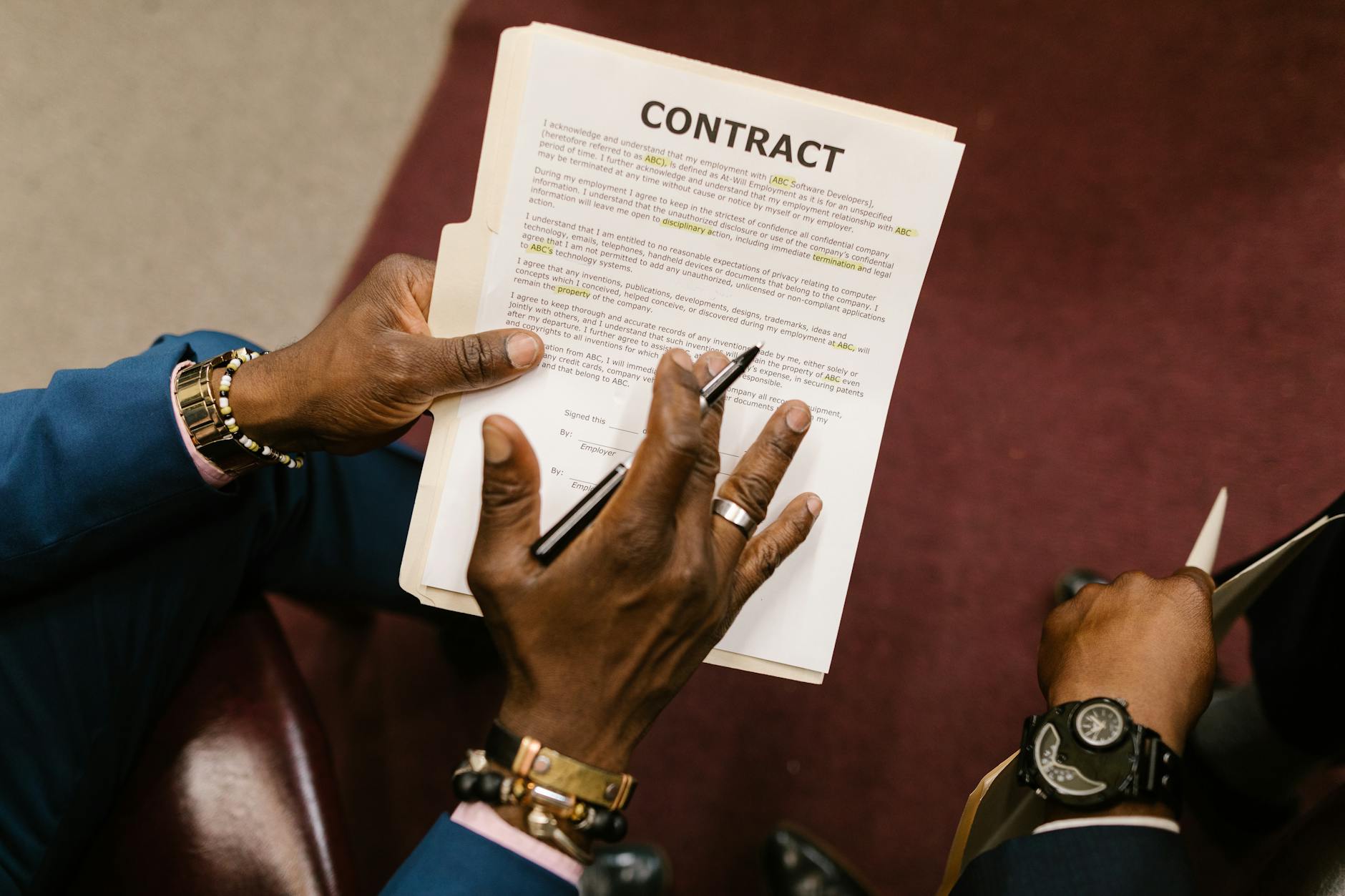
Photo by RDNE Stock project
That matters because shopping deals rarely stay isolated. They usually lead to attachment letters, option or purchase documents, producer agreements, and chain-of-title review. A law firm that already works across those stages can spot the problem before it turns into a credit dispute or a lost fee.
Conclusion
Talent attachment creates excitement, but it also exposes every weakness in the underlying rights paper. The producer who negotiates strong shopping terms first has a better chance of keeping credit, compensation, and control when the project attracts real heat.
Clear scope, a firm term, tail protection, defined economics, and clean chain of title do more than tidy up the deal. They keep the package honest when the first serious buyer calls.

