


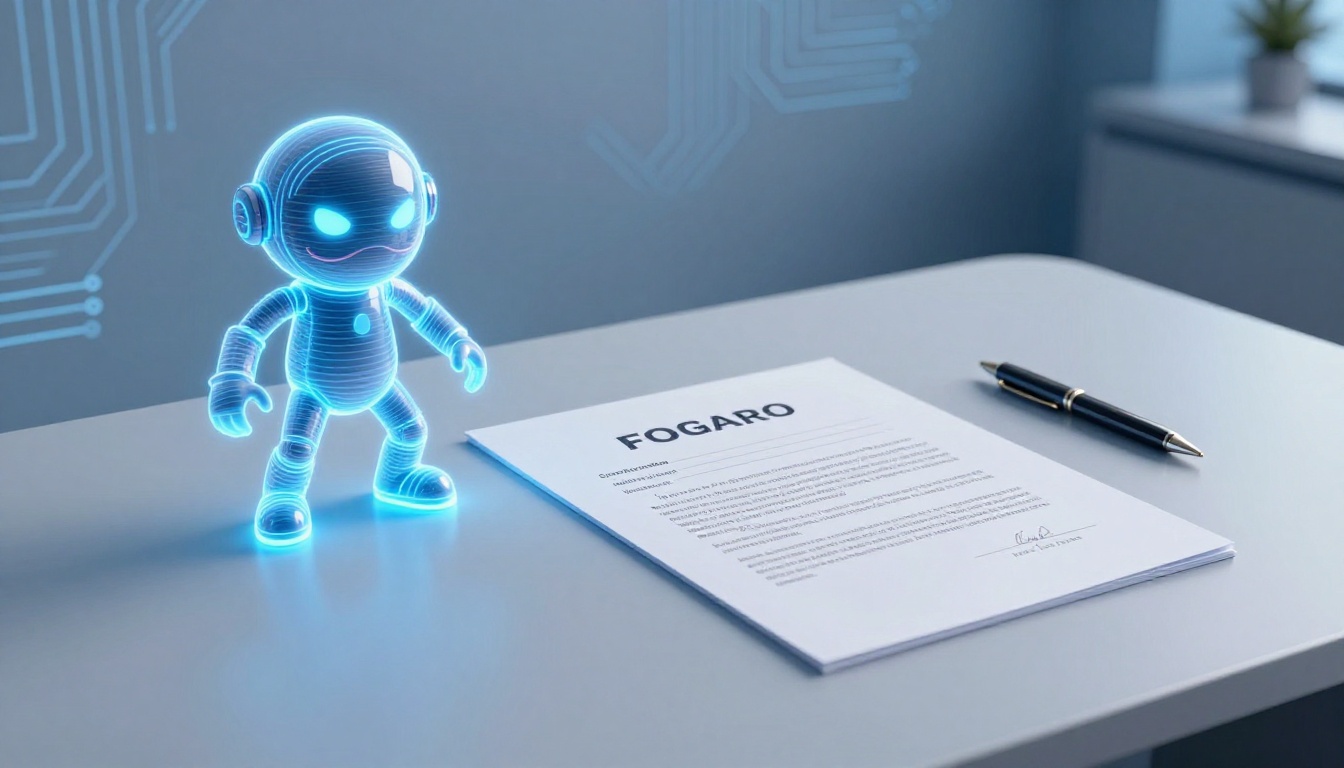
Name and Likeness in Video Games, what to ask for in a licensing deal
Your face is in the trailer, your name is on the roster, and your signature move is a button combo. That’s flattering, until you realize your identity is being sold like a skin pack.
A good video game likeness licensing deal doesn’t just pay you, it locks down control: what the publisher can use, where it can appear, how long it lasts, and what happens when the game spins into sequels, DLC, esports broadcasts, and AI-powered updates. If the contract is vague, you can end up “famous in the game” and stuck with a bad deal in real life.
Below is a practical, deal-focused guide for athletes, actors (voice and mocap), esports players, influencers, and the agents and attorneys who support them.
Table of Contents
ToggleStart with the “what”: define your likeness rights with precision
Publishers often ask for “name, image, and likeness,” but that phrase can hide a lot. Treat it like renting out a house: you need to know which rooms they get access to, and which are off-limits.
At a minimum, define exactly what’s being licensed. That can include your legal name, nickname, gamertag, jersey number, signature, tattoos, stats, biometric scans, voice, motion capture data, and even recognizable mannerisms. If you’re a performer, the “likeness” part may also include performance capture that can be re-edited later.
Then get specific about where your likeness can show up. Many disputes don’t come from the base game, they come from marketing, social posts, and cross-promos. Spell out whether the license covers:
- In-game use (base game, updates, DLC, live service content)
- Advertising (trailers, key art, paid ads, influencer posts)
- In-game commerce (storefront thumbnails, “bundles,” featured packs)
- Events and broadcasts (tournaments, highlight reels, esports streams)
Next is scope: platform, territory, and term. Global, all-platform rights for a long term can be fine, but only if the money matches and the contract has guardrails. If you’re a college athlete or early-career creator, watch for broad grants that quietly swallow future opportunities. The recent push to pay players for game appearances shows how fast this space is changing, and how much group deals can scale in a single release cycle, as covered in coverage of college players signing group agreements.
If you want a strong baseline on publicity rights and how they work in real contracts, start with this guide to athlete image rights protection.
Payment terms that actually matter (not just the headline number)
Likeness deals can look simple: “Here’s your fee.” But games monetize in layers, and your pay structure should match how your likeness helps sell the product.
One-time buyouts are common, especially for standard roster placements. They can be fair, but only if the scope is narrow and the term is short. If the publisher wants broad rights across years of live updates, you should ask for a structure that pays as the game earns.
Here’s a quick way to frame the money conversation:
| Deal term | What to ask for | Why it matters |
|---|---|---|
| Upfront fee | A clear, non-refundable signing payment | Protects you if the game changes or ships late |
| Royalties or revenue share | A defined percentage tied to specific revenue buckets | Keeps pay aligned with success and long tail sales |
| Bonuses | Triggers for milestones (units sold, active users, DLC launch) | Rewards performance without renegotiating |
| Audit rights | The right to verify sales and calculations | Without it, royalties can turn into guesses |
If you’re doing voice or mocap, separate the “work fee” from the “likeness license.” Your performance is labor, your identity is a commercial right. Mixing them can blur union rules, reuse limits, and AI questions later.
Also ask how the publisher defines “net.” If your royalty is based on net receipts, push for a clear definition and limits on deductions. For subscription platforms and bundles, require a stated allocation method. If the game is sold in a bundle, your share shouldn’t shrink to pennies because the accounting is fuzzy.
Group licensing is another flashpoint. Some companies offer upfront payments in exchange for exclusive rights that reach beyond one title. That can block future earnings in pro leagues, sequels, and rival games. There’s a reason the topic drew public warnings, including reporting on union concerns about NIL video game deals.
For broader negotiation strategy (timing, concessions, and how to document changes), this sports contract negotiation guide pairs well with game licensing talks.
Control clauses: approvals, exclusivity, AI replicas, and “what happens next”
Money gets attention, but control clauses decide whether the deal stays safe two years from now.
Start with approval rights. You may not get full creative approval over the character model, but you can still ask for approval (or at least consultation) on key items: how your name is displayed, whether your likeness is used in sensitive storylines, and whether your image is used in paid advertising.
Then address exclusivity. A publisher may try to block you from appearing in competing games, or even from endorsing brands that compete with the game’s sponsors. If exclusivity is needed, narrow it by:
- Game genre (sports sim vs. arcade)
- Category (only “football video games,” not all games)
- Time window (short, tied to release cycle)
- Territory (if the title is region-specific)
Now the 2026 issue that keeps showing up in negotiations: AI and digital replicas. Game contracts increasingly include language that allows studios to modify, re-use, or generate new content from scans, audio, and performance data. Recent union and policy moves have pushed for clearer consent and disclosure when a digital replica (voice or likeness) is created or re-used. Your deal should plainly state:
- Whether your data can be used to train or tune AI tools
- Whether the studio can create new dialogue, scenes, or performances from your materials
- Whether AI-generated content needs your separate written consent
- How long the studio can retain your raw scan and capture files
- What happens if you revoke consent for future uses
Also cover the “afterlife” of the license. Games don’t end when the base title ships. They get ports, remasters, mobile versions, and spin-offs. Add a rule for sequels: either a new deal is required, or the sequel triggers pre-set fees and approval steps.
Finally, protect your broader brand. If your name is already a business, treat it like one. Trademark strategy and enforcement can support your bargaining position, especially when your nickname or logo appears on merch and promos tied to the game. This resource on protecting your name as a brand is a strong starting point.
Conclusion: ask for clarity now, not cleanup later
A likeness deal should read like a map, not a mystery. Define the rights, match pay to real revenue, and don’t leave AI, re-use, and sequel rights open-ended. When your identity is the product, control is part of the compensation.
Chase Lawyers helps athletes, performers, creators, and their teams negotiate and enforce video game likeness licensing agreements that protect creative talent, intellectual property, and long-term career value, from first offer through final contract language. If a deal feels broad, rushed, or unclear, that’s usually the moment to slow down and get it reviewed before your name becomes a permanent asset in someone else’s franchise.

- 21 SE First Avenue Suite 700 Miami, FL 33131
- 305-373-7665
- 305-373-7668
- info@chaselawyers.com
- 1345 Avenue of the Americas, 2nd floor, NY, NY 10105
- 212-601-2762
- info@chaselawyers.com
Get a response within 24 hours. We’ll clearly explain how we can support and protect your brand while staying within your budget.