


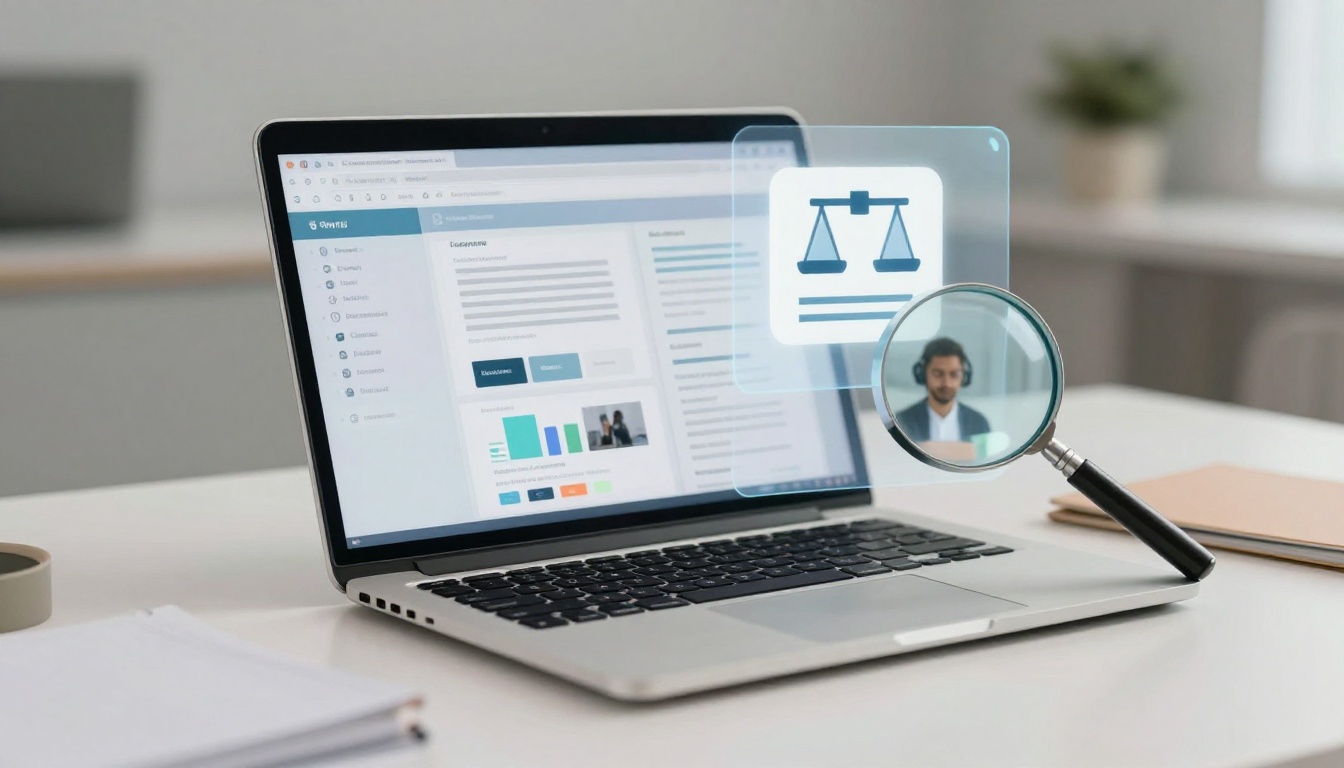
Photo Licensing for Social Posts, avoiding accidental commercial use violations
You grabbed a great image, dropped it into a Canva template, posted it, and moved on. Then an email lands in your inbox claiming you used a photo without the right license. Sound familiar?
For social teams, creators, and small brands, photo licensing social media issues usually aren’t about “bad actors.” They’re about misunderstandings, rushed workflows, and blurry lines between “organic” and “commercial.” A single post can act like an ad, even if you never hit the “Promote” button.
This guide breaks down where accidental commercial use happens, what to check before you publish, and a practical system to keep your posts (and your clients) safer.
Table of Contents
ToggleWhy “just a post” can become commercial use fast
People treat social like a casual bulletin board, but copyright law treats photos like property. If you don’t own the photo, your right to use it comes from a license (or a narrow legal exception).
The tricky part is that “commercial use” is broader than “paid ad.” Many licenses restrict any use that promotes a business, product, service, or brand, even in a regular feed post.
Here are common ways teams accidentally cross the line:
- Brand-owned accounts: A photo posted by a company account often reads as marketing, even if it’s “organic.”
- Boosting later: You post today as organic, your team boosts it next week, but the license only covered non-commercial use.
- Influencer content: An influencer uses a “free” image that can’t be used in sponsored content, then tags your brand.
- Sales context: “Link in bio,” promo codes, product tags, booking links, and affiliate links can turn a post into a sales tool.
- Internal reuse: A license might allow Instagram only, but the same creative gets reused in email, OOH, or a website banner.
Enforcement is also rising. Recent reporting has highlighted more claims and lawsuits over images used online without permission, even when the image was publicly accessible or credited. For background on that trend, see the rise of IP lawsuits for posting images.
And in January 2026, the bigger compliance theme is clear: image rules are tightening in commercial spaces, including new disclosure requirements in certain industries for AI-edited photos. The message for marketers is simple: if a photo helps you sell, assume you need the right paperwork.
What to check in a photo license before you post (and before you boost)
A photo license is like a boarding pass. It’s not “permission to travel anywhere,” it’s permission for a specific route, on specific dates, with specific conditions. If your post doesn’t match the ticket, you’re exposed.
Start with the basics: who owns the copyright (photographer, agency, employer), what you’re allowed to do, and whether your use is commercial, editorial, or both. Many disputes come from “editorial-only” images being used in brand promotion.
Also separate copyright from people rights. Even with a valid photo license, you can still have issues if the image includes a recognizable person or private property and your use requires a model release or property release.
If you need a plain-language primer for teams, Hootsuite’s image copyright overview is a helpful baseline.
A quick license-read table for social teams
| License term to spot | What it usually means | Common social mistake |
|---|---|---|
| Commercial vs editorial | Commercial promotes, editorial reports or comments | Using “news-style” images in product posts |
| Permitted platforms | Only certain channels allowed | Posting to TikTok when license lists Instagram only |
| Duration | Time window to use the image | Leaving posts up after the license expires |
| Modifications | Crops, filters, overlays allowed or banned | Adding heavy text overlays or AI edits when prohibited |
| Sublicensing | Whether contractors can use it | Agencies or influencers using assets without coverage |
If your team needs stronger guidance on rights, ownership, and licensing structure, Chase Lawyers can help you match the license terms to your real posting plan, then document it in a way your team can actually follow. Their focus on creative industries means you’re not teaching your lawyer how social content works.
For deeper support on copyright issues that affect creators and brands, see copyright legal services at Chase Lawyers.
A practical workflow to prevent accidental violations (without slowing content)
Most teams don’t need a 20-step approval maze. They need a repeatable habit: source clean, record proof, and control reuse. Think of it like food safety in a restaurant. One clean kitchen system prevents a lot of problems.
Here’s a simple workflow that works for solo creators and multi-person teams:
- Source from a short approved list. Use original photography, paid stock with commercial rights, or licensed creator content with written permission. Avoid “found on Google” and random Pinterest boards.
- Save license proof at the moment you download. Screenshot the license terms, invoice, or receipt, and store it with the asset. Don’t rely on “we can find it later.”
- Tag each asset with allowed uses. At minimum: organic social only, paid social allowed, web/email allowed, and expiration date (if any).
- Separate “organic-ready” from “ad-ready.” If there’s any chance you’ll boost a post, use images licensed for advertising from day one.
- Add influencer language to contracts. Require influencers and UGC partners to confirm they have rights to every photo, font, and graphic they deliver, and that you can reuse it in ads if that’s the plan.
- Audit your top posts quarterly. Anything evergreen that keeps getting repurposed should have clean documentation.
If a claim hits anyway, don’t panic and don’t ignore it. Preserve evidence (licenses, emails, project files), pause reuse, and get advice before replying. When the issue becomes a dispute, it helps to understand takedowns, platform reporting, and enforcement options. Chase Lawyers offers a practical resource here: Protect Your Content on Social Platforms.
For small business teams building policies, a small business guide to image copyright is also a useful reference point for setting internal rules.
Conclusion: Treat photo rights like part of your brand’s safety plan
If your social presence is part of how you earn money, your image workflow should assume commercial risk. The goal isn’t fear, it’s consistency: use images you can prove you’re allowed to use, in the ways you actually post.
When you need help reviewing licenses, building a rights checklist for your team, or responding to a claim, Chase Lawyers can step in as a true partner to protect creative work and business growth, with experience across media, entertainment, and creator-driven brands. The smartest time to fix licensing is before the post goes live, and the second-smartest time is right after you realize something might be off.
- 21 SE First Avenue Suite 700 Miami, FL 33131
- 305-373-7665
- 305-373-7668
- info@chaselawyers.com
- 1345 Avenue of the Americas, 2nd floor, NY, NY 10105
- 212-601-2762
- info@chaselawyers.com
Get a response within 24 hours. We’ll clearly explain how we can support and protect your brand while staying within your budget.