


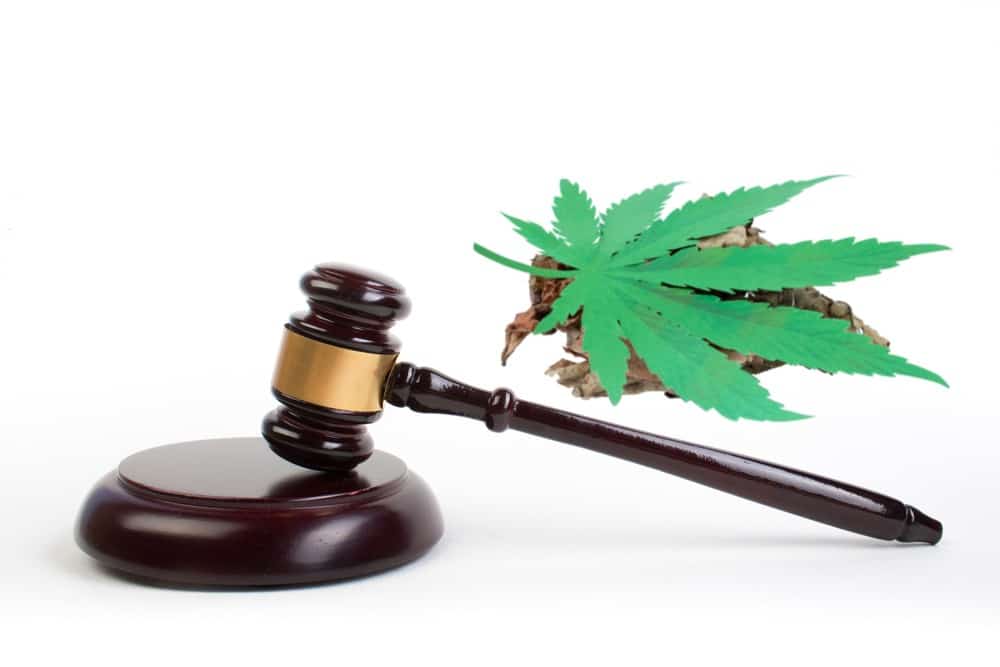
Navigating Cannabis Regulations and Compliance: A Legal Perspective
As the cannabis industry continues to grow and evolve, navigating the complex web of regulations and compliance requirements can be a daunting task for businesses. This is where a cannabis attorney comes in, providing legal guidance and support to help cannabis businesses stay compliant and avoid legal pitfalls. In this post, we will discuss the legal implications of cannabis regulation and compliance, and how businesses can benefit from the expertise of a cannabis attorney.
Cannabis is still classified as a Schedule I drug under federal law, which means that it is illegal to possess, sell, or use it at the federal level. However, many states have legalized cannabis for medical or recreational use, creating a patchwork of laws and regulations that can be difficult to navigate. This legal landscape presents a number of challenges for cannabis businesses, from obtaining licenses to complying with state and local regulations.
One of the key benefits of working with a cannabis attorney is that they can help businesses navigate the complex regulatory framework and ensure compliance with local, state, and federal laws. This includes everything from helping businesses obtain the necessary licenses and permits to advising on regulatory compliance, zoning, and land use issues.
Cannabis attorneys can also provide guidance on issues related to product safety and quality control, such as testing requirements and labeling regulations. This is particularly important in the cannabis industry, where product safety and quality are essential to building trust with consumers and establishing a reputable brand.
In addition to regulatory compliance, cannabis businesses may also face legal challenges related to employment law, intellectual property, and banking. For example, cannabis businesses may need to navigate complex employment laws related to drug testing and workplace safety, as well as protecting their trademarks and patents. Banks and other financial institutions may also be hesitant to work with cannabis businesses due to federal restrictions, making it difficult for them to access essential financial services.
Cannabis attorneys can provide guidance and support on these and other legal issues, helping businesses stay compliant and avoid costly legal disputes. They can also help businesses stay up-to-date on emerging legal trends and regulations, providing proactive legal advice and helping them stay ahead of the curve.
In conclusion, navigating the complex regulatory landscape of the cannabis industry can be a daunting task for businesses. Working with a cannabis attorney can help businesses ensure compliance with local, state, and federal regulations, as well as navigate legal challenges related to employment law, intellectual property, and banking. By leveraging the expertise of a cannabis attorney, businesses can mitigate legal risks, build trust with consumers, and establish themselves as reputable players in the industry.
Table of Contents
ToggleCannabis Licensing: A Guide for Entrepreneurs and Investors
As more and more states legalize cannabis for medical or recreational use, entrepreneurs and investors are looking to capitalize on the growing industry. However, obtaining a cannabis license is a complex and highly regulated process that can be difficult to navigate without proper guidance. In this post, we will provide a guide for entrepreneurs and investors looking to obtain a cannabis license.
- Research the Laws and Regulations in Your State
The first step to obtaining a cannabis license is to research the laws and regulations in your state. Each state has its own set of laws and regulations regarding cannabis licensing, and it is important to understand the requirements and restrictions that apply to your business. You should also research any local regulations that may apply to your business, such as zoning restrictions or local licensing requirements.
- Determine Your Business Model
Before applying for a cannabis license, you should determine your business model. Will you be a cultivator, a processor, a distributor, or a retailer? Each type of license has its own set of requirements and restrictions, and you will need to determine which type of license is best suited for your business goals.
- Create a Business Plan
Once you have determined your business model, you should create a business plan. Your business plan should include a detailed description of your business, your target market, your marketing strategy, your financial projections, and your management team. You should also include a section on your compliance strategy, detailing how you will comply with the state’s regulations and maintain compliance with the law.
- Gather Your Documentation
To apply for a cannabis license, you will need to gather a variety of documentation, including business formation documents, financial statements, security plans, and other supporting documents. You should also be prepared to provide detailed information about your business and management team, including any relevant experience and qualifications.
- Submit Your Application
Once you have gathered all of the necessary documentation, you can submit your application for a cannabis license. The application process can be lengthy and may require multiple rounds of review, so it is important to be patient and persistent. You should also be prepared to respond to any requests for additional information or clarification during the application process.
In conclusion, obtaining a cannabis license can be a complex and challenging process, but with the right guidance and preparation, it is possible to navigate the process successfully. If you are an entrepreneur or investor looking to enter the cannabis industry, it is important to work with experienced cannabis attorneys who can provide you with the guidance and support you need to obtain a license and operate your business in compliance with the law.
ChaseLawyers, Your Trusted Advisors in an Evolving Legal Marketplace
ChaseLawyers has deep industry knowledge and experience with providing legal guidance on all matters concerning cannabis law. We provide quality representation to cannabis businesses, CBD and other alternative strains providers, paraphernalia eCommerce brands and cannabis influencers who want to operate their business online and stay compliant with state and federal guidelines.
Whether you need us to help you enforce your intellectual property rights or you need legal counsel on state or federal compliance, ChaseLawyers can help you navigate the ever-evolving regulatory environment with minimum effort.

- 21 SE First Avenue Suite 700 Miami, FL 33131
- 305-373-7665
- 305-373-7668
- info@chaselawyers.com
- 1345 Avenue of the Americas, 2nd floor, NY, NY 10105
- 212-601-2762
- info@chaselawyers.com
Get a response within 24 hours. We’ll clearly explain how we can support and protect your brand while staying within your budget.