


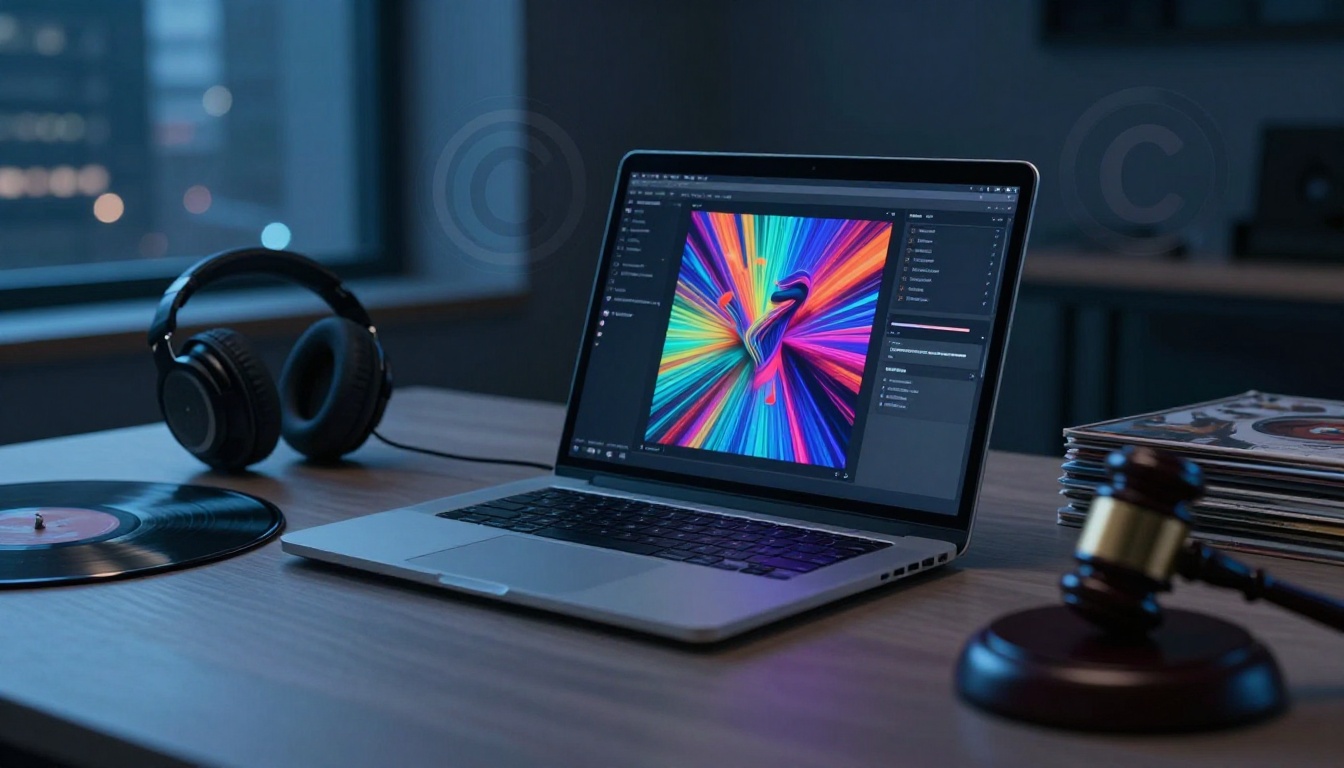
AI-Generated Artwork for Album Covers, who owns it, and what platforms may reject
You’ve got a new single ready, the mix sounds right, and you need cover art tonight. An AI image tool can spit out something striking in minutes, but one question can wreck a release plan fast: who actually owns the artwork?
This is where “cool image” turns into “copyright, licensing, and platform rules.” In January 2026, distributors and stores are paying closer attention to anything that looks auto-generated, because unclear rights can turn into takedowns, disputes, or metadata headaches.
Below is a practical guide for musicians, producers, small labels, and designers who are trying to ship releases without stepping on a legal landmine. When you want tailored advice for your specific cover and rollout, Chase Lawyers (a boutique entertainment and IP law firm with offices in Miami and New York City) helps creatives protect what they’re building and keep releases moving.
Table of Contents
ToggleWho owns AI-generated album cover art, and what “ownership” really means
When people ask about AI album cover copyright, they usually mean two different things:
- “Do I have the legal right to use this image on my release?”
- “Can I stop someone else from copying it?”
Those are not the same question.
Copyright: the big limitation (especially in the U.S.)
In the United States, copyright protection is tied to human authorship. If an image is generated with minimal human creative input, it may not qualify for copyright protection the way a traditional illustration or photo would. The U.S. Copyright Office has been clear that this area is under active review and that human authorship is a core requirement. For the most current official guidance, see the U.S. Copyright Office’s AI initiative and reports.
That doesn’t mean you can’t use AI-involved art. It means your ability to claim exclusive rights may be weaker if the final image is mostly machine output.
“But I prompted it, so it’s mine,” right?
Sometimes, sometimes not. Prompts can show intent, but intent alone isn’t always enough to create protectable authorship. Where artists tend to get on safer ground is when they add meaningful human creativity, for example:
- compositing multiple elements manually
- painting over, retouching, or redesigning key features
- adding original typography and layout decisions that shape the final look
- using a human-made base image (your photo, your drawing) and transforming it
The other “ownership” you can’t ignore: tool terms and contributor contracts
Even if copyright is murky, you still need contract clarity. AI tools have terms of service, and those terms can grant you broad usage rights or add limits. Separately, if a designer made the cover for you, you need to know whether you’re getting a license or an assignment.
If you want your album cover to be an asset you can control long-term, it helps to get a rights strategy early. Chase Lawyers regularly helps creatives build clean chain of title and ownership records through entertainment copyright legal services, so your artwork and brand don’t end up in limbo later.
Why Spotify, Apple Music, and distributors may reject AI album covers
Most artists don’t upload directly to Spotify or Apple Music. They upload through a distributor, and that distributor has to feel comfortable saying, “We have the rights, and this is not risky.” If anything about your cover suggests the opposite, your release can get delayed or bounced.
The most common rejection triggers (AI or not)
Distributors and stores may reject cover art when it raises obvious rights or policy issues, including:
- Copying a recognizable style too closely: If the cover looks like it was generated “in the style of” a living artist, it can trigger complaints even if you didn’t name the artist in your prompt.
- Famous faces, characters, or logos: AI sometimes sneaks in look-alike celebrities, brand marks, or protected characters. That can create right of publicity, trademark, or copyright problems.
- Misleading or confusing branding: A cover that implies affiliation with another artist, label, or franchise can be flagged.
- Low-quality or unreadable text: AI-made typography often fails basic clarity rules, especially at thumbnail size, which can prompt technical rejections.
- No clear proof of rights: When asked, you can’t show where the images came from, what tool you used, or whether you have permission for source photos.
Even if a platform doesn’t have a “no AI art” rule, they still have a “you must own or control rights” rule. AI just makes that harder to prove quickly.
Why the scrutiny is higher in 2026
The volume problem is real. Stores and distributors are dealing with more releases, more automated content, and more complaints. That pushes them toward conservative decisions, which means anything that looks questionable gets reviewed or rejected.
If you’re distributing AI-involved projects and want a plain-language view of how takedowns and compliance issues come up, this breakdown is helpful: legal and ethical AI distribution tips. It’s focused on music, but the same “can you prove rights and avoid impersonation” logic often shows up with cover art too.
A practical plan to protect your release (and reduce rejection risk)
Think of your cover like a passport. It’s not enough to “look real.” You need documents that back it up.
Keep your proof folder from day one
If a distributor asks questions, speed matters. Save:
- the original prompt history and settings
- the tool name and account email used to generate
- iterations and drafts (showing your human choices over time)
- layered source files (PSD, AI, or equivalent)
- licenses for any stock photos, textures, fonts, or brushes
This documentation is boring until it saves your release date.
Build human creativity into the final image
If you want stronger footing for AI album cover copyright arguments, don’t stop at the first good output. Add human authorship in visible ways:
- redraw hands, faces, or key objects that look generic
- replace AI text with licensed fonts and clean typography
- compose the layout manually (title placement, credits, parental advisory marks)
- incorporate original photography or hand-drawn elements
A simple metaphor helps here: AI can be the rough marble block, but your edits are the sculpting that makes it yours.
Don’t forget trademarks and brand identity
Cover art is often the first place your brand appears. If you’re using a name, logo, or recurring symbol, it may be worth protecting. That’s especially true for small labels and artist collectives that plan to run merch and tours.
For a musician-focused overview of brand protection, see music artist trademark protection.
Handle social media like it’s evidence (because it can be)
Most cover art disputes don’t start with a lawsuit. They start with posts, callouts, and reports. If your cover is accused of copying, your captions and process videos can help or hurt.
If you’re sharing AI-assisted design work online, it helps to understand basic IP hygiene, including watermarks, monitoring, and takedown steps. Chase Lawyers’ guide on social media intellectual property tips is a solid starting point.
When to call a lawyer before you upload
Get legal help early if your cover includes any of these:
- a real person’s face (or a clear look-alike)
- a brand, product packaging, or logo
- a “style match” to a known living artist
- licensed photos provided by a third party
- a label or distributor asking for written proof of rights
Chase Lawyers works with artists, producers, influencers, and creative brands, and their approach is built around turning legal complexity into clear, usable strategy. That’s what keeps your rollout clean and your catalog valuable.
Conclusion
AI can make album covers faster, but it also makes ownership harder to prove and easier to challenge. The safest path is simple: add real human authorship, keep clean documentation, and treat your cover like an IP asset, not a last-minute thumbnail.
If you want your next release to go live without surprise rejections or rights disputes, talk with Chase Lawyers about a practical plan for AI album cover copyright, licensing, and platform-ready clearance.
- 21 SE 1st Ave, Suite 700, Miami, FL 33131
- 305-373-7665
- 305-373-7668
- info@chaselawyers.com
- 1345 Avenue of the Americas, 2nd Floor, New York, NY 10105
- 212-601-2762
- info@chaselawyers.com
Get a response within 24 hours. We’ll clearly explain how we can support and protect your brand while staying within your budget.